Your First Cooks, Step by Step
Pick a cut and follow along. Beginner-proof walkthroughs for the smokes everyone wants to nail first — brisket, ribs and pulled pork.
The best way to learn to smoke is to pick one cut and cook it, start to finish. These are the three cooks almost every beginner wants first — and, handily, they range from very forgiving to genuinely challenging, so you can build up your confidence in the right order.
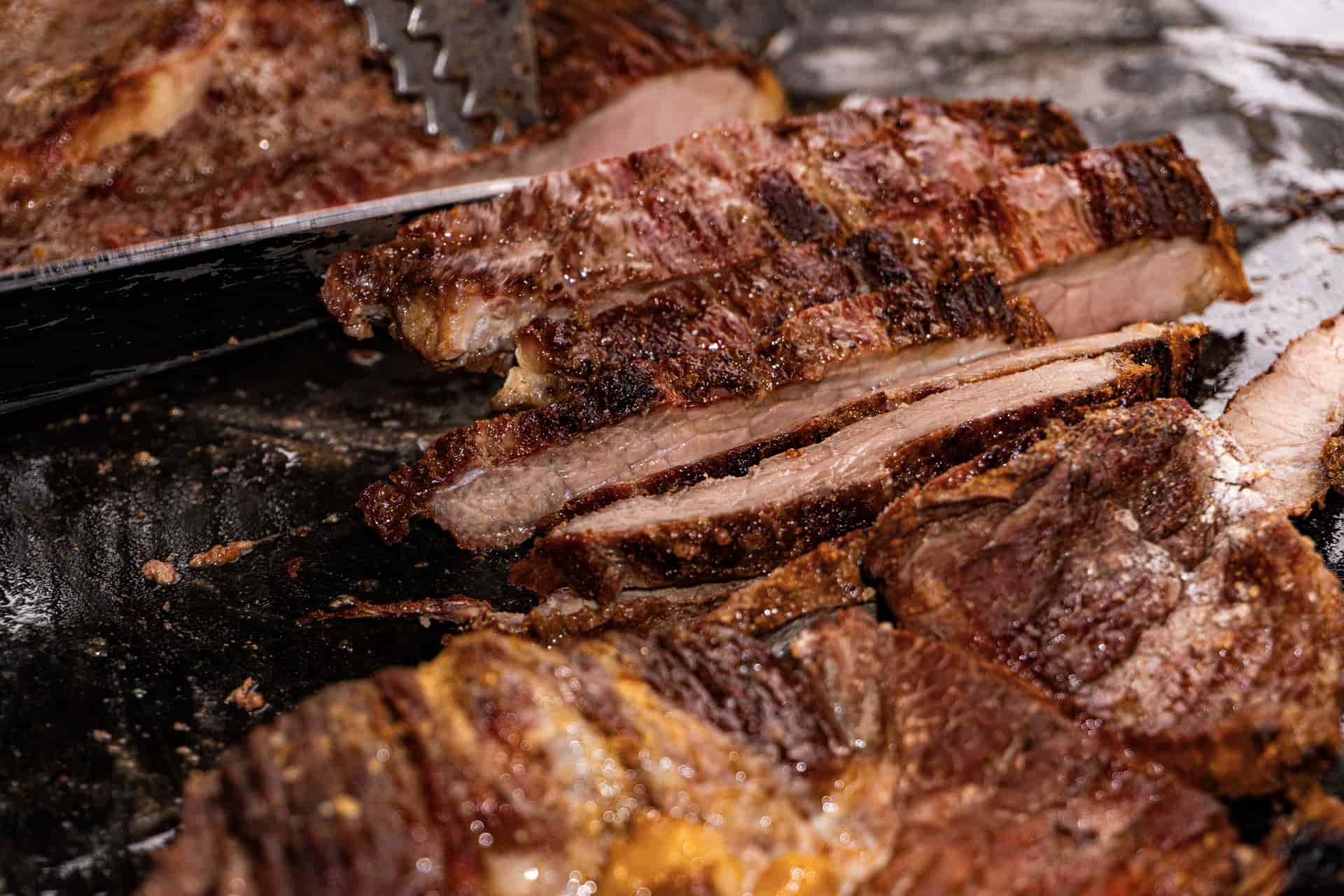
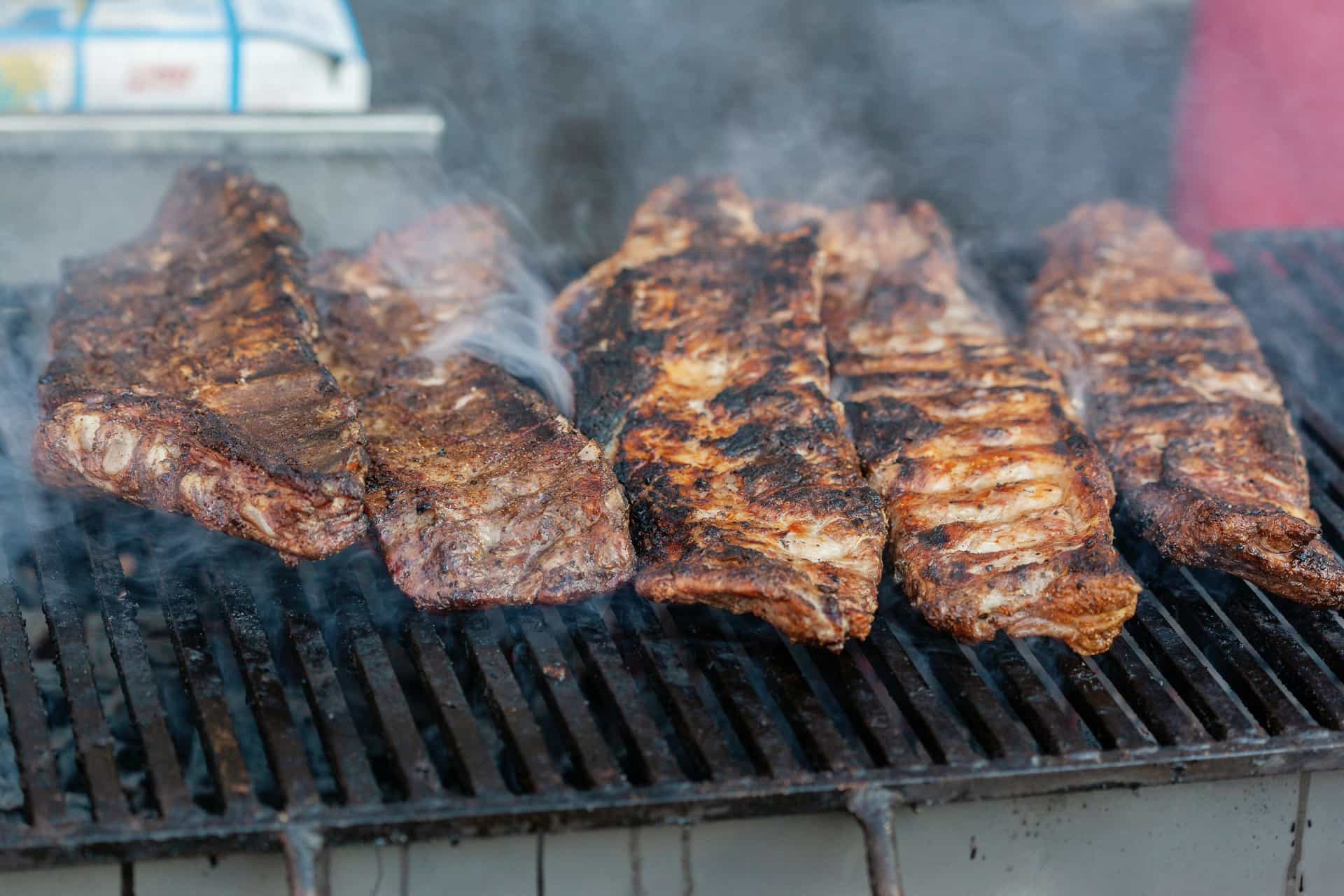
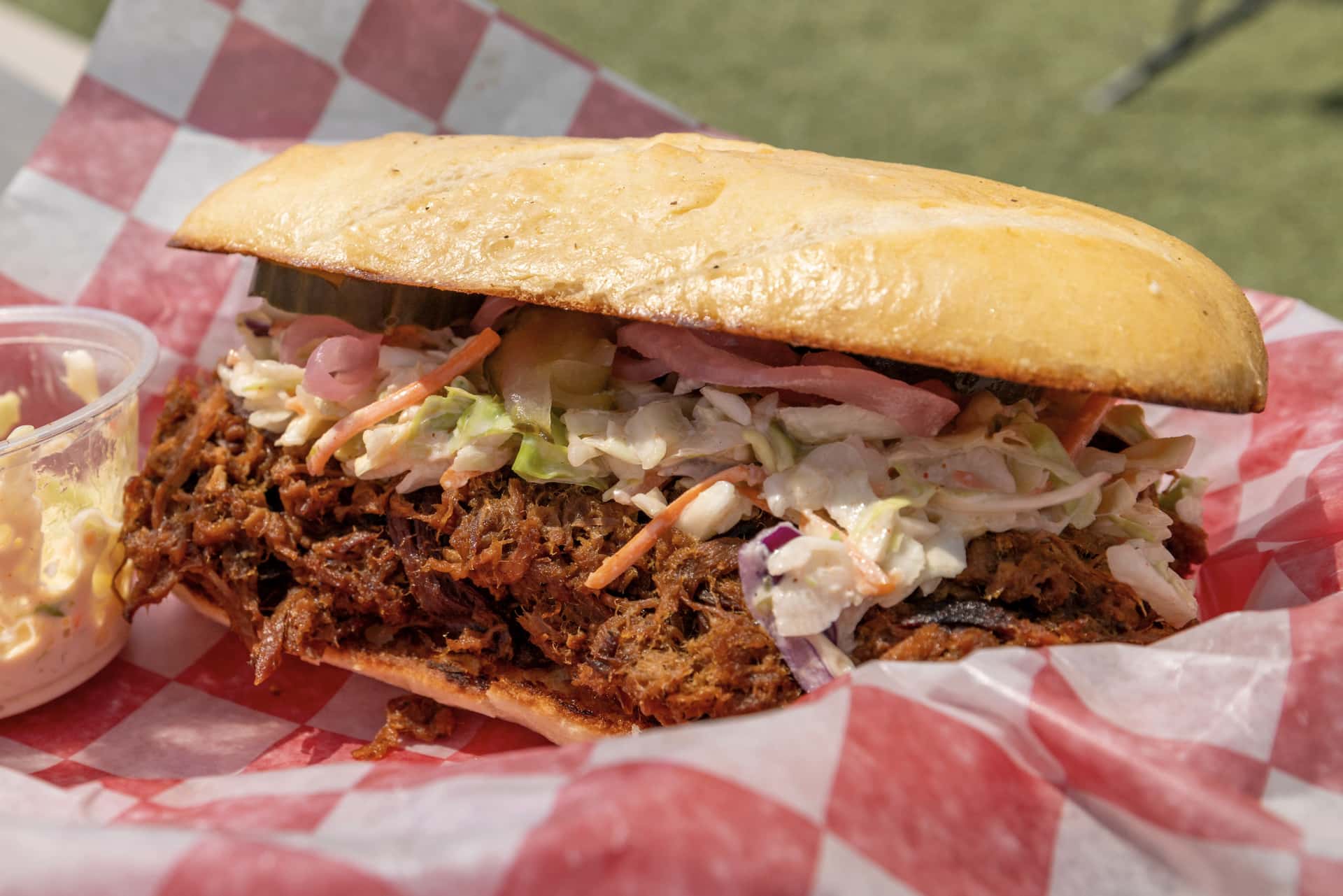
Start with ribsif you want a quick win. They’re relatively short (about 5–6 hours), hard to truly ruin, and give you a crowd-pleasing result the first time — our how to smoke ribs guide uses the simple, beginner-proof method. Move to pulled pork next: a pork shoulder is the most forgiving big cut there is, almost impossible to dry out, and it feeds a crowd for very little money (how to smoke pulled pork). Save brisketfor when you’ve got a cook or two under your belt — it’s the intimidating one for a reason, but our first-timer’s brisket guide breaks it into steps that take the fear out of it.
What every cook here has in common
However different the cuts are, the method is always the same shape: season it, smoke it at 225–250°F, cook it to an internal temperature you measure, then rest it.None of these guides asks you to cook by the clock. Two identical pork shoulders can finish hours apart, so every guide tells you the target internal temperature to cook to and how to know when it’s truly done. If you’ve never run a smoker at all, read how to use a smokerfirst — it covers lighting, temperature control and smoke, which these recipes assume you can do.
Two ideas that trip up every beginner
The first is “the stall.”On long cooks, the meat’s internal temperature climbs, then stops dead for a couple of hours somewhere around 150–170°F while surface moisture evaporates and cools it. Beginners panic and crank the heat — don’t. It’s normal. Wait it out, or wrap the meat in foil or butcher paper (the “Texas crutch”) to push through faster. The second is the difference between safe and tender.A pork shoulder is food-safe at 145°F, but it won’t pull apart until closer to 200–205°F, when the collagen finally breaks down. That’s why our target temperatures are higher than the USDA safe minimum — safety is the floor, tenderness is the goal. The times and temperatures chart lays out both numbers for every cut.
The one tool you can’t skip
Every guide here leans on a meat thermometer. It is genuinely the difference between confidently pulling a perfect brisket and cutting into a dry, guessed-at one. Get a decent one before you cook anything on this list — it matters more than which smoker you own. When you’re ready, pick a cut above and follow along; we’ve written each one for someone doing it for the very first time.
Everything in Cook
How to Smoke a Brisket (First-Timer's Guide)
The intimidating one, de-mystified — trim, rub, temperature, the stall and when it's actually done.
How to Smoke Ribs (The Easy Beginner Method)
The forgiving first cook — the simple method for tender pork ribs, no guesswork.
How to Smoke Pulled Pork (Pork Shoulder)
The most forgiving big cut of all — how to turn a pork shoulder into a pile of pulled pork.
How to Smoke a Whole Chicken
Crispy-skin smoked chicken is one of the best beginner cooks — how to smoke a whole chicken that's juicy, safe and simple.
How to Smoke a Turkey (Beginner's Guide)
Smoking the holiday turkey, without the fear — brining, temperature and timing for a juicy, safe smoked turkey.
How to Smoke Chicken Wings
Smoky, crispy wings are a perfect low-stakes first cook — the simple method for smoked chicken wings that aren't rubbery.
How to Smoke Salmon (Hot-Smoked, for Beginners)
A fast, forgiving first smoke — how to hot-smoke salmon that's tender and flaky, with the safe temperature to pull it at.
How to Smoke Beef Ribs
Big, beefy and beginner-friendly — how to smoke tender beef ribs, the 'brisket on a stick,' without the all-day brisket commitment.
How to Smoke Pork Tenderloin
The quick weeknight smoke — how to smoke a tender, juicy pork tenderloin in a couple of hours, pulled at the safe temperature.
How to Smoke Sausage
One of the easiest things you can put in a smoker — how to smoke sausage to a safe, snappy, smoky finish.
How to Smoke Burgers
Smoked then seared, a burger picks up real wood flavor and stays juicy — the easy method for smoked hamburgers, cooked to a safe 160°F.
How to Smoke Meatloaf
Smoked meatloaf is a beginner favorite — a smoky bark on a comfort-food classic. How to smoke a meatloaf that holds together, pulled at a safe 160°F.
How to Smoke Pork Chops
Thick-cut smoked pork chops come out juicy and quick — the reverse-sear method for tender chops, pulled at a safe 145°F with a short rest.
How to Smoke Tri-Tip
The West Coast beef cut that's perfect for beginners — how to smoke a tender tri-tip and finish it with a sear, cooked to your preferred doneness.
How to Smoke Prime Rib
The special-occasion showstopper, made approachable — how to smoke a tender, evenly pink prime rib and sear a crust, without overcooking it.
How to Make Smoked Mac and Cheese
The side dish that steals the show — how to make creamy, smoky mac and cheese right on your smoker while the main event rests.
How to Smoke Chicken Thighs
Forgiving, cheap and hard to dry out — smoked chicken thighs are one of the best first cooks. How to smoke juicy thighs with crisp skin, pulled at a safe 165°F.
How to Smoke a Chuck Roast (Poor Man's Brisket)
All the beefy, bark-covered payoff of brisket from a cheaper, smaller cut — how to smoke a tender chuck roast, taken to probe-tender for slicing or shredding.
How to Smoke a Turkey Breast
Easier than a whole bird and perfect for a small gathering — how to smoke a juicy turkey breast, brined and pulled at a safe 165°F, without drying out the white meat.
How to Make Pork Belly Burnt Ends
Sweet, sticky, tender cubes of smoked pork belly — the easiest way into 'meat candy' for a beginner, taken low and slow to melt-in-the-mouth tender.
How to Smoke Corn on the Cob
The easiest side you can put in a smoker — how to smoke sweet, tender corn on the cob that soaks up wood flavor while your main cook rests.
How to Smoke Meatballs
Smoky, tender and endlessly useful — how to smoke meatballs for appetizers, pasta or subs, cooked to a safe 160°F because they are made from ground meat.