Which Smoker Should a Beginner Buy?
Electric, pellet or charcoal — start here. Plain-English roundups that give you one safe default pick per type, with a live price you can act on.
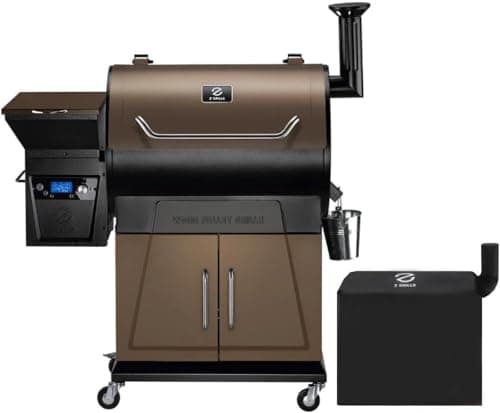
If you’re buying your first smoker, the choice comes down to one question, and it isn’t about brand or price: how hands-on do you want to be?That single decision points you at one of three types, and everything else — budget, size, flavor — follows from it.
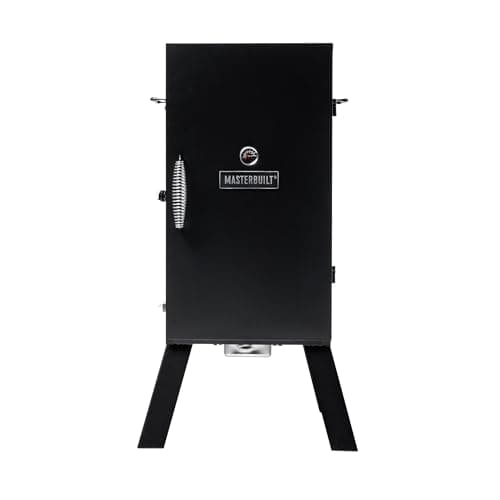
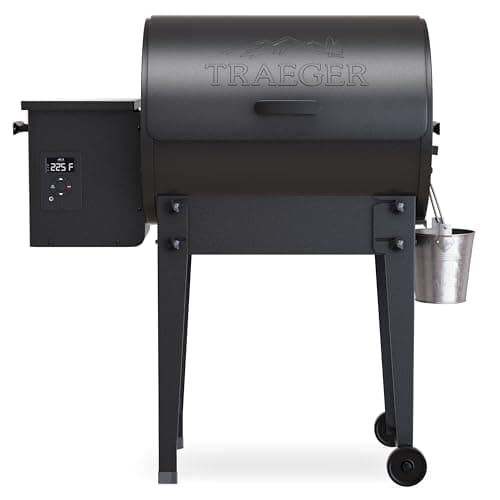
Electric smokersare the least intimidating. You plug them in, set a temperature on a dial or digital panel, and the smoker holds it for you — no fire to manage. If the idea of babysitting coals makes you nervous, start here. The trade-off is a milder smoke flavor than charcoal. Pellet smokers(pellet grills) are almost as easy: a hopper of wood pellets feeds an auger, a controller holds your set temperature, and you get real wood smoke with very little effort — the popular “set it and forget it” option, at a higher price. Charcoal smokers give the truest barbecue flavor and cost the least up front, but you manage a live fire and learn to control temperature with air vents. More reward, more of a learning curve.
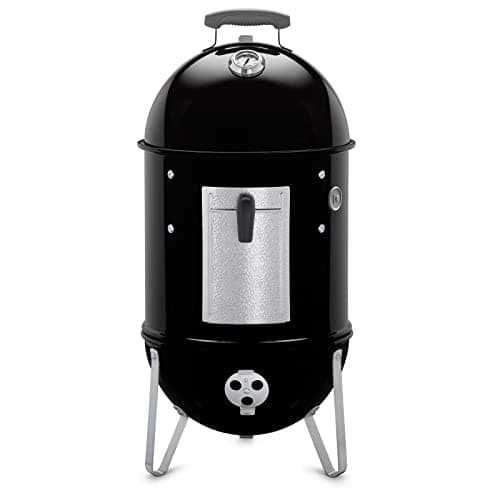
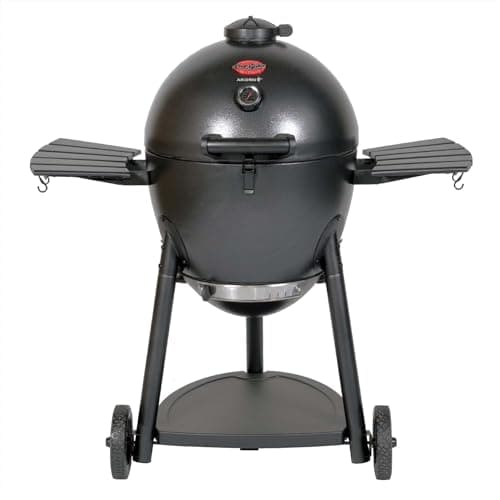
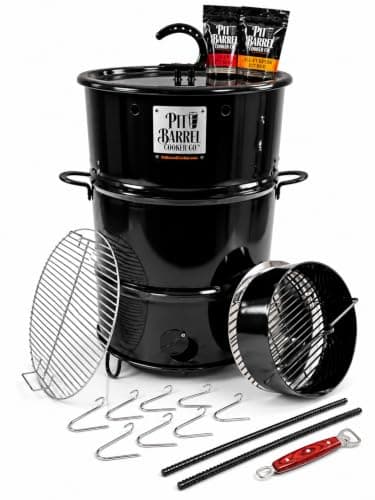
For most nervous first-timers we’d point you at an electric smoker or a pellet smoker: both let you focus on the food instead of the fire while you learn. If you specifically want that classic charcoal-and-wood taste and don’t mind tending a fire, a charcoal smoker like the cult-favorite Weber Smokey Mountain is the way in — or the Pit Barrel Cooker, which burns charcoal with one fixed vent and nothing to adjust. If you would rather have one cooker that smokes low and then sears steaks, read our Char-Griller AKORN review — an insulated steel kamado with a published 200–700°F range. Not sure yet? Our best smokers for beginners roundup lines up the top pick from every type side by side.
The mistakes beginners make when buying a smoker
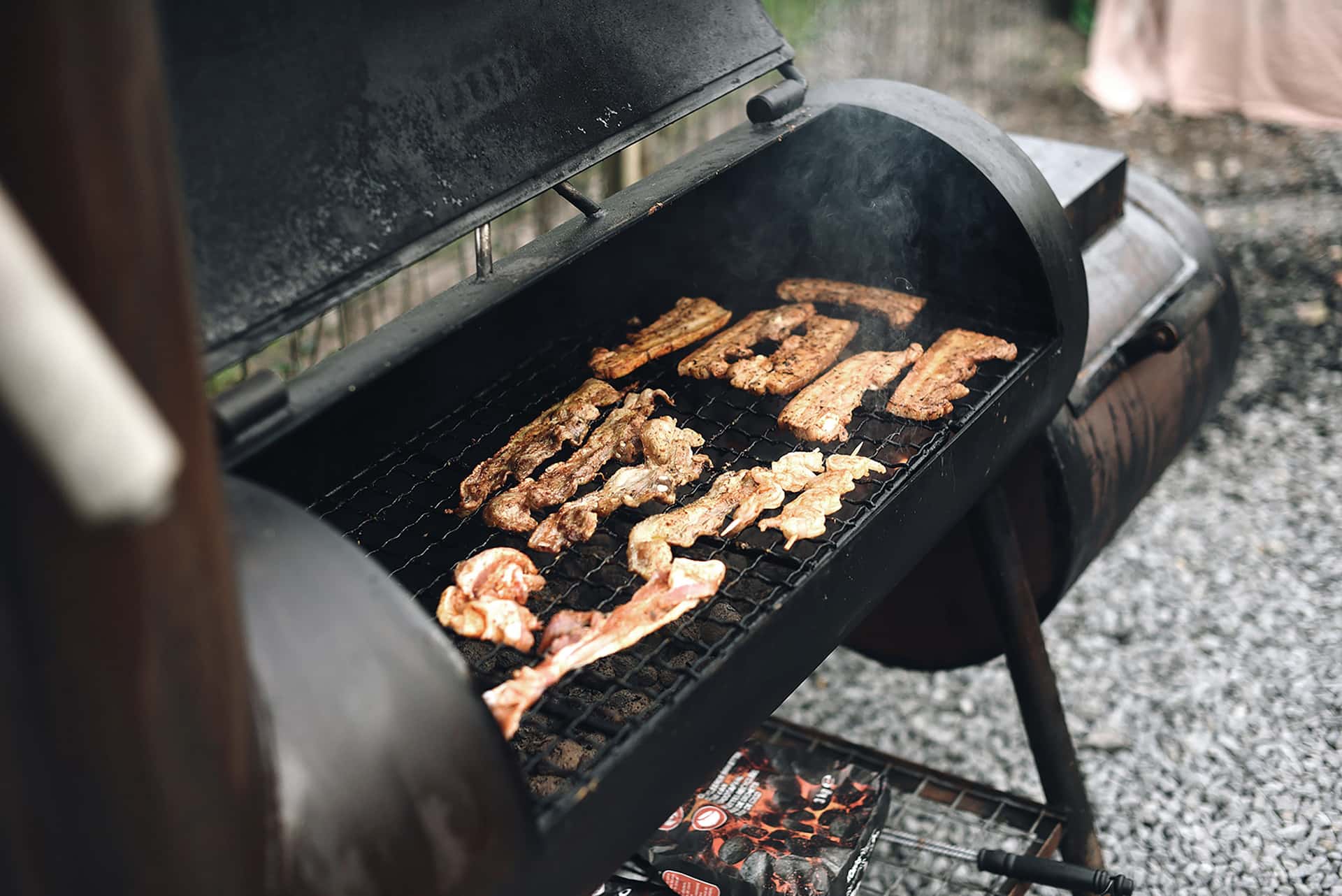
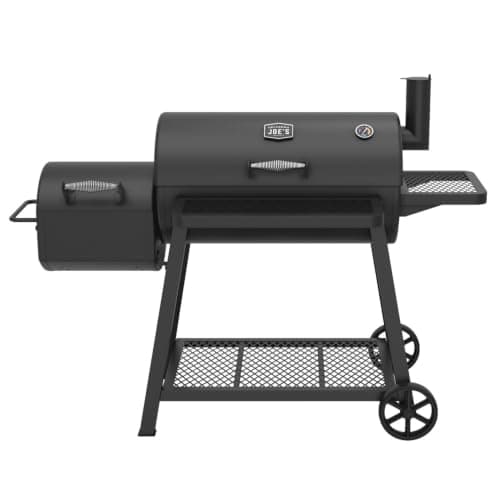
The biggest one is buying too much smoker.A giant offset “stick burner” looks the part, but it’s the hardest kind to run and burns through wood fast — a frustrating first smoker. Start with something forgiving and upgrade later if the hobby sticks. If an offset is exactly what you want anyway, our Oklahoma Joe’s Laredo 1100 review is the honest version of what one asks of you. The second mistake is skipping the thermometer. No smoker, however expensive, tells you when the meat inside is done; a good meat thermometer is the accessory that actually determines whether your first cook succeeds. The third is chasing features you won’t use— WiFi, apps, searing grates — instead of the two things that matter for a beginner: does it hold a steady low temperature, and is it big enough for what you want to cook?
What decides the price
Smoker prices are driven mostly by fuel type and automation. Budget analog electric and simple charcoal smokers start low; pellet grills cost more because you’re paying for the auger, controller and hopper that do the work for you. Bigger cooking area and heavier, better-insulated steel add cost too — and insulation genuinely matters if you’ll smoke in cold weather. You do notneed to spend a lot to smoke well: some of our favorite beginner picks are among the cheapest. Prices on every page here are pulled live from Amazon and dated, so you always see the current number, never a stale one. If you have a budget in mind, start at the right rung — under $300, under $500 or under $1,000, which is where every type of smoker becomes affordable and where it is easiest to overspend. If you are shopping in November, our Black Friday & Cyber Monday deals hub covers which smoker types have historically discounted and which rarely do; and if the smoker is a present for someone else, read buying someone their first smoker first.
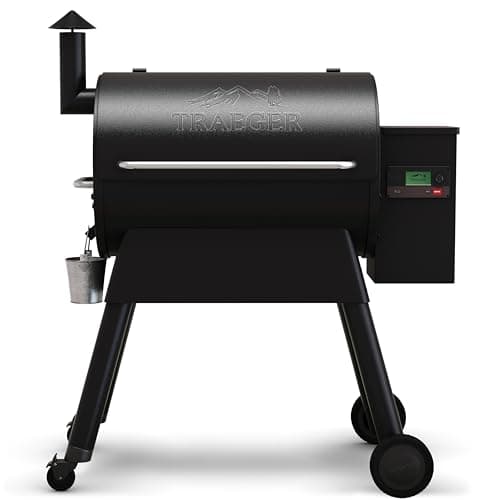
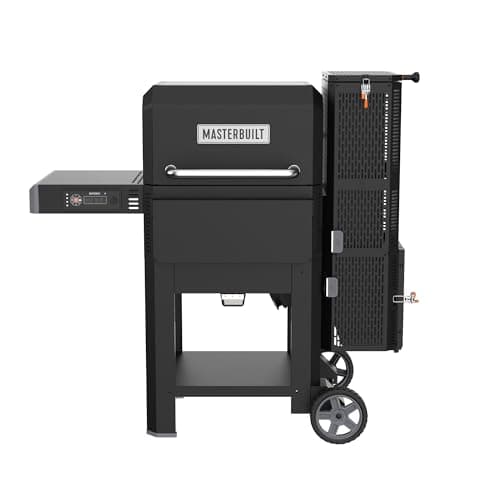
Once you have narrowed it to a type, the model reviews are where the decision actually gets made. If pellets are your answer, the brand almost everyone names first is Traeger — our Traeger Pro 780 review works through what the premium really buys against a pellet grill costing half as much, and why we would only recommend it on a discount. On charcoal, the choice usually comes down to two cookers, and we have put them head to head: Pit Barrel Cooker vs Weber Smokey Mountain is really a question about whether you want to be allowed to adjust the fire at all, and AKORN vs Weber kettle settles whether an insulated kamado is worth twice the price of the cheapest serious charcoal grill. If you would rather charcoal behaved like an oven, the Masterbuilt Gravity Series 600 review covers the cooker that puts a thermostat on a charcoal fire. And if you are shopping by badge rather than by fuel, Pit Boss vs Masterbuilt explains the thing that makes that comparison unusual: the two brands barely compete, because one is pellet-first and the other electric-first, and the only category with both names in it is the propane cabinet.
Two more pages answer the questions people ask at the cheap and the expensive ends of that shelf. At the cheap end, our Pit Boss 440 review looks at about the least a recognized brand charges for a pellet grill and lands on the one spec that decides whether it suits you — a five-pound hopper, which is two to five hours of cooking rather than an overnight. At the expensive end, AKORN vs Kamado Joe puts insulated steel against ceramic and finds that the cheaper cooker publishes the bigger primary grate — which turns the ceramic question into one about warranties and decades rather than about next Saturday.
If you already know what you want to cook, start there instead of with the fuel type, because three cuts have genuinely different answers. Chicken is decided by the top of a cooker’s range rather than the bottom — rubbery skin is a heat problem — so best smokers for chicken sorts on the published ceiling. Fish is the mirror image, and best smokers for fish sorts on how low each cooker will run. And best smokers for sausage is about hanging room and a gentle start, which no other page here ranks on.
Below, each guide gives you one clear top pick with a live price plus a short list of alternatives, all reasoned from the makers’ published specs and honest beginner-fit — not from lab testing we didn’t do. Here’s exactly how we pick.
Everything in Smokers
Best Smokers for Beginners
The one to buy first, whatever your budget — our top beginner smokers across every fuel type, with live prices.
Our top pick
Masterbuilt 30-inch Digital Electric Smoker
Best Electric Smokers for Beginners
Plug it in, set a temperature, walk away — the easiest way to cook your first ribs.
Our top pick
Masterbuilt 30-inch Digital Electric Smoker
Best Pellet Smokers for Beginners
Real wood-pellet smoke with digital, hands-off temperature control — our value picks compared.
Our top pick
Z Grills 700-Series Wood Pellet Grill & Smoker
$579.00 · View on AmazonPrice as of October 20, 2026. #ad How we’re funded
Best Charcoal Smokers for Beginners
For true charcoal-and-wood flavor if you're willing to learn the vents — the classic first charcoal smokers.
Our top pick
Weber Smokey Mountain Cooker 18-inch
$419.00 · View on AmazonPrice as of October 20, 2026. #ad How we’re funded
Best Smokers Under $500 for Beginners
Great barbecue doesn't need a big budget — the best beginner smokers under $500 across electric, pellet and charcoal, with live prices.
Our top pick
Masterbuilt 30-inch Analog Electric Smoker
Best Smokers Under $1,000 for Beginners
A $1,000 ceiling reaches every type of smoker there is. What the extra money genuinely buys, what it doesn't, and the seven cookers worth it.
Our top pick
Z Grills 700-Series Wood Pellet Grill & Smoker
$579.00 · View on AmazonPrice as of October 20, 2026. #ad How we’re funded
Best Smokers for Small Spaces & Apartments
Tight on space? The most compact and portable smokers for a balcony, small patio or apartment — plus an honest word on smoking where you live.
Our top pick
Weber Smokey Mountain Cooker 14-inch
$289.00 · View on AmazonPrice as of October 20, 2026. #ad How we’re funded
Pellet vs Electric Smoker: Which Should a Beginner Buy?
Two of the easiest smokers to learn on, head to head — real wood-pellet smoke versus true plug-in simplicity, and which fits you.
Our top pick
Z Grills 700-Series Wood Pellet Grill & Smoker
$579.00 · View on AmazonPrice as of October 20, 2026. #ad How we’re funded
Electric vs Charcoal Smoker: Which Is Right for You?
The easiest smoker versus the most flavorful — plug-in convenience against real charcoal-and-wood taste, compared for beginners.
Our top pick
Masterbuilt 30-inch Digital Electric Smoker
Pellet vs Charcoal Smoker: The Beginner's Comparison
Hands-off wood-pellet convenience versus classic charcoal flavor and fire-craft — how to choose your first real smoker.
Our top pick
Z Grills 700-Series Wood Pellet Grill & Smoker
$579.00 · View on AmazonPrice as of October 20, 2026. #ad How we’re funded
Weber Smokey Mountain 14 vs 18: Which Size?
Same legendary bullet smoker, two sizes — which Weber Smokey Mountain a beginner should buy, and when the smaller one is the smarter pick.
Our top pick
Weber Smokey Mountain Cooker 18-inch
$419.00 · View on AmazonPrice as of October 20, 2026. #ad How we’re funded
Best Smokers Under $300 for Beginners
The best beginner smokers you can buy for around $300 or less — honest budget picks across electric, charcoal and do-it-all, with live prices.
Our top pick
Masterbuilt 30-inch Analog Electric Smoker
Best Vertical Smokers for Beginners
Upright cabinet and bullet smokers stack a lot of food into a small footprint — the best vertical smokers for a beginner, across electric and charcoal.
Our top pick
Masterbuilt 30-inch Digital Electric Smoker
Best Smoker-Grill Combos for Beginners
Want one cooker that smokes low-and-slow and also grills hot? The best combo cookers for a beginner, from a charcoal kettle to versatile pellet grills.
Our top pick
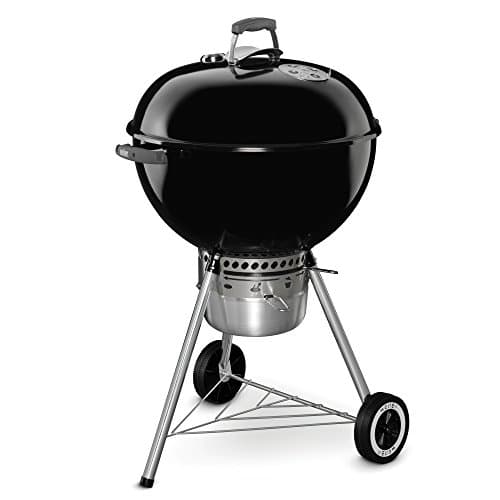
Weber Original Kettle Premium 22-inch
$219.00 · View on AmazonPrice as of October 20, 2026. #ad How we’re funded
Masterbuilt Digital vs Analog Electric Smoker
Two of the most popular first smokers, compared — Masterbuilt's digital set-and-forget panel against the cheaper analog dial, and which a beginner should buy.
Our top pick
Masterbuilt 30-inch Digital Electric Smoker
Pit Boss vs Z Grills: Which Budget Pellet Smoker?
The two value pellet smokers beginners weigh up — Pit Boss's low price against Z Grills' bigger, PID-controlled cook, compared head to head.
Our top pick
Z Grills 700-Series Wood Pellet Grill & Smoker
$579.00 · View on AmazonPrice as of October 20, 2026. #ad How we’re funded
Weber Smokey Mountain vs Kettle: Which to Smoke On?
A dedicated bullet smoker or the do-it-all charcoal kettle? How the Weber Smokey Mountain and the Original Kettle compare for a beginner who wants to smoke.
Our top pick
Weber Smokey Mountain Cooker 18-inch
$419.00 · View on AmazonPrice as of October 20, 2026. #ad How we’re funded
How to Choose Your First Smoker: A Beginner's Buying Guide
Overwhelmed by the choice? A plain-English framework for picking your first smoker — fuel type, size, budget and how hands-on you want to be — to a confident decision.
Is a Pellet Smoker Worth It for a Beginner?
Pellet grills promise set-and-forget wood smoke, but they cost more and need power. An honest look at whether a pellet smoker is worth it for your first cooker.
Masterbuilt 30-inch Digital Electric Smoker Review
A close look at the smoker we most often recommend to nervous first-timers — the Masterbuilt 30-inch digital electric — what it does well, its honest limits, and who should buy it.
Our top pick
Masterbuilt 30-inch Digital Electric Smoker
Weber Smokey Mountain Review (18-inch)
The bullet smoker that has taught more people to cook charcoal than any other. Our honest review of the 18-inch Weber Smokey Mountain for a beginner who wants real charcoal flavor.
Our top pick
Weber Smokey Mountain Cooker 18-inch
$419.00 · View on AmazonPrice as of October 20, 2026. #ad How we’re funded
Z Grills 700-Series Pellet Smoker Review
The value pellet grill that gets a beginner real wood smoke with hands-off temperature control. Our honest review of the Z Grills 700-series — capacity, control and its trade-offs.
Our top pick
Z Grills 700-Series Wood Pellet Grill & Smoker
$579.00 · View on AmazonPrice as of October 20, 2026. #ad How we’re funded
Traeger vs Pit Boss: Which Pellet Grill for a Beginner?
The most portable name-brand pellet grill against the cheapest way onto a pellet cooker — Traeger's compact Tailgater versus the Pit Boss 440, compared for a first-time buyer.
Our top pick
Traeger Tailgater 20 Portable Wood Pellet Grill
$499.95 · View on AmazonPrice as of October 20, 2026. #ad How we’re funded
Best Offset Smokers for Beginners
The classic stick burner, honestly assessed for a first-timer — what an offset actually asks of you, and the three worth starting on if you want that fire.
Our top pick
Oklahoma Joe's Laredo Series 1100 Offset Charcoal Smoker and Grill
$349.99 · View on AmazonPrice as of October 20, 2026. #ad How we’re funded
Best Kamado Grills for Beginners
Thick insulated walls that hold a low temperature for hours on a couple of pounds of charcoal. The steel and ceramic kamados worth a beginner's money.
Our top pick
Char-Griller AKORN Kamado Charcoal Grill and Smoker (E16620)
$399.99 · View on AmazonPrice as of October 20, 2026. #ad How we’re funded
Best Propane Smokers for Beginners
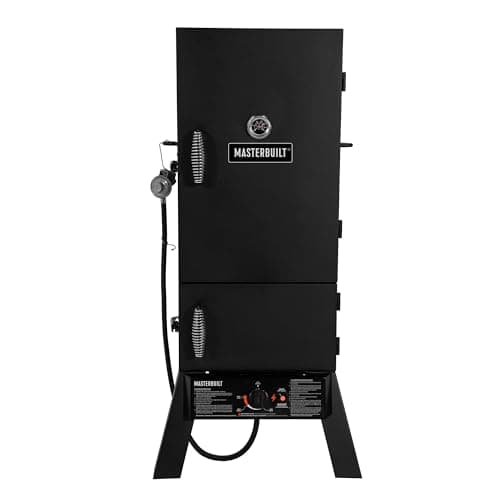
Electric-smoker simplicity without needing an outdoor outlet. The gas smokers worth buying first, including the one with a real thermostat.
Our top pick
Masterbuilt MPS 230S 30-inch Propane Smoker (MB20051311)
$249.99 · View on AmazonPrice as of October 20, 2026. #ad How we’re funded
Masterbuilt MPS 230S Review
The two-door gas cabinet you can reload without opening the food chamber — 730 sq in on the maker's own figures, and no thermostat.
Our top pick
Masterbuilt MPS 230S 30-inch Propane Smoker (MB20051311)
$249.99 · View on AmazonPrice as of October 20, 2026. #ad How we’re funded
Traeger Pro 780 Review
780 sq in, 165-500F, app control and a three-year warranty — the big-name pellet grill, reviewed on what Traeger publishes. Worth it on a discount, not at list price.
Our top pick
Traeger Pro 780 Wood Pellet Grill & Smoker
$999.99 · View on AmazonPrice as of October 20, 2026. #ad How we’re funded
Best Drum Smokers for Beginners
Charcoal flavor with the vent management taken out. How a hanging barrel cooker works and the three drums we would put a beginner on.
Our top pick
Pit Barrel Cooker Premier Series 18.5-inch Drum Smoker
$459.99 · View on AmazonPrice as of October 20, 2026. #ad How we’re funded
Pit Barrel Cooker Review (18.5-inch)
One vent, eight hooks and nothing to adjust. Our honest review of the hanging drum smoker — including the temperature range its maker publishes, and who should buy a Weber Smokey Mountain instead.
Our top pick
Pit Barrel Cooker Premier Series 18.5-inch Drum Smoker
$459.99 · View on AmazonPrice as of October 20, 2026. #ad How we’re funded
Char-Griller AKORN Review
The insulated steel kamado that smokes at 200°F and sears at 700°F for a fraction of ceramic money — and the heat deflector it does not come with.
Our top pick
Char-Griller AKORN Kamado Charcoal Grill and Smoker (E16620)
$399.99 · View on AmazonPrice as of October 20, 2026. #ad How we’re funded
Oklahoma Joe's Laredo 1100 Review
The offset to start on if you have decided you want a fire to tend — what Oklahoma Joe's publishes, why the headline 1,100 square inches is really 558, and the gasket to buy with it.
Our top pick
Oklahoma Joe's Laredo Series 1100 Offset Charcoal Smoker and Grill
$349.99 · View on AmazonPrice as of October 20, 2026. #ad How we’re funded
Offset vs Pellet Smoker
Tending a wood fire versus setting a dial — the biggest fork in the road for a first smoker, and an honest answer about how much flavor you actually give up.
Our top pick
Z Grills 700-Series Wood Pellet Grill & Smoker
$579.00 · View on AmazonPrice as of October 20, 2026. #ad How we’re funded
Kamado vs Pellet Grill
One cooker that sears at 700°F and holds 250°F for twelve hours, against one that runs itself. Which suits a beginner's first summer better.
Our top pick
Char-Griller AKORN Kamado Charcoal Grill and Smoker (E16620)
$399.99 · View on AmazonPrice as of October 20, 2026. #ad How we’re funded
Propane vs Electric Smoker
The two easiest cabinet smokers, compared on the things that actually decide it — where you can put them, what the smoke tastes like, and what each costs to run.
Our top pick
Masterbuilt MPS 230S 30-inch Propane Smoker (MB20051311)
$249.99 · View on AmazonPrice as of October 20, 2026. #ad How we’re funded
What Size Smoker Do I Need?
Square inches translated into food: how many racks of ribs, pork butts and turkeys each size actually holds, and the sizing mistake most first buyers make.
Best Smokers for Brisket
Brisket is the one cook that judges a smoker on two things nothing else asks for: twelve unbroken hours at a low temperature, and a grate long enough to lay a packer flat.
Our top pick
Z Grills 700-Series Wood Pellet Grill & Smoker
$579.00 · View on AmazonPrice as of October 20, 2026. #ad How we’re funded
Best Smokers for Ribs
Ribs are a five-hour cook that almost any smoker can do. The spec that decides which one you want is how many racks it holds at once — and that is a question about shelves, not square inches.
Our top pick
Masterbuilt 30-inch Digital Electric Smoker
Best Smokers for Turkey
USDA puts a smoked turkey between 225 and 300°F, and crisp skin lives at the top of that band. Which cookers can get there, which cannot, and what a whole bird needs in the way of room.
Our top pick
Z Grills 700-Series Wood Pellet Grill & Smoker
$579.00 · View on AmazonPrice as of October 20, 2026. #ad How we’re funded
Best Smokers for Jerky
Jerky is the one thing you make in a smoker where the number that matters is the LOWEST temperature it will hold, not the highest — and almost no maker publishes it.
Our top pick
Masterbuilt 30-inch Digital Electric Smoker
Propane vs Charcoal Smoker
Gas gives you a dial and a twelve-hour cook nobody has to babysit. Charcoal gives you flavor and a fire to learn. The honest trade, and which one suits a first smoker.
Our top pick
Masterbuilt MPS 230S 30-inch Propane Smoker (MB20051311)
$249.99 · View on AmazonPrice as of October 20, 2026. #ad How we’re funded
Best Smokers for Pulled Pork
Pork shoulder is the most forgiving thing you will ever smoke, which changes what you should buy — the cookers that make a ten-hour butt easy rather than impressive.
Our top pick
Masterbuilt 30-inch Digital Electric Smoker
Best Portable Smokers for Camping and Tailgating
A smoker that travels has to survive a car boot, light without a mains socket and still hold a low temperature. The four that genuinely do, with published weights and sizes.
Our top pick
Traeger Tailgater 20 Portable Wood Pellet Grill
$499.95 · View on AmazonPrice as of October 20, 2026. #ad How we’re funded
Best Smokers for a Large Family
Work out the square inches you actually need, then buy from the five cookers that publish enough of them — the capacity roundup, with the arithmetic shown.
Our top pick
Masterbuilt 40-inch ThermoTemp Propane Vertical Smoker (MB20051316)
Gravity Smoker vs Pellet Smoker
Both hold a number you set. One burns charcoal and one burns sawdust, and that single difference decides flavor, searing, chores and what can go wrong.
Our top pick
Masterbuilt Gravity Series 600 Digital Charcoal Grill + Smoker (MB20041023)
$749.00 · View on AmazonPrice as of October 20, 2026. #ad How we’re funded
Best Smokers for Chicken and Wings
Chicken is the one cut decided by the TOP of a cooker's range, because rubbery skin is a heat problem. Five picks that smoke low and then finish hot enough to crisp.
Our top pick
Char-Griller AKORN Kamado Charcoal Grill and Smoker (E16620)
$399.99 · View on AmazonPrice as of October 20, 2026. #ad How we’re funded
Best Smokers for Fish
Fish asks how LOW a cooker will run, not how long it holds 250°F. Four picks judged on the published temperature floor, with FDA's 145°F finish.
Our top pick
Masterbuilt 30-inch Digital Electric Smoker
Best Smokers for Sausage
Sausage wants somewhere to hang and a gentle start — two specs nothing else on this site sorts on. Five cabinets and drums ranked on published racks, height and range.
Our top pick
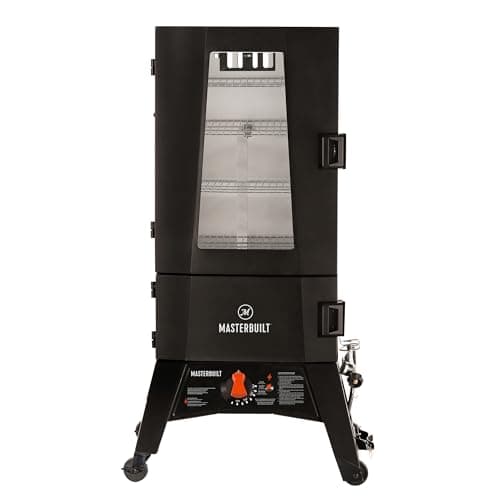
Pit Boss 3-Series Propane Gas Vertical Smoker (PBV30GS / 11094)
Pit Barrel Cooker vs Weber Smokey Mountain
One has a single fixed vent and hangs the food; the other has four dampers and a water pan. The two charcoal smokers beginners actually choose between, on published figures.
Our top pick
Pit Barrel Cooker Premier Series 18.5-inch Drum Smoker
$459.99 · View on AmazonPrice as of October 20, 2026. #ad How we’re funded
Masterbuilt Gravity Series 600 Review
Charcoal you set a number on: a gravity-fed hopper, a fan and a published 225-700°F range. What Masterbuilt publishes, what it leaves out, and who should buy a pellet grill instead.
Our top pick
Masterbuilt Gravity Series 600 Digital Charcoal Grill + Smoker (MB20041023)
$749.00 · View on AmazonPrice as of October 20, 2026. #ad How we’re funded
AKORN vs Weber Kettle
An insulated steel kamado against the cheapest serious charcoal grill. Insulation only pays on long cooks - here is the line, on both makers' published figures.
Our top pick
Char-Griller AKORN Kamado Charcoal Grill and Smoker (E16620)
$399.99 · View on AmazonPrice as of October 20, 2026. #ad How we’re funded
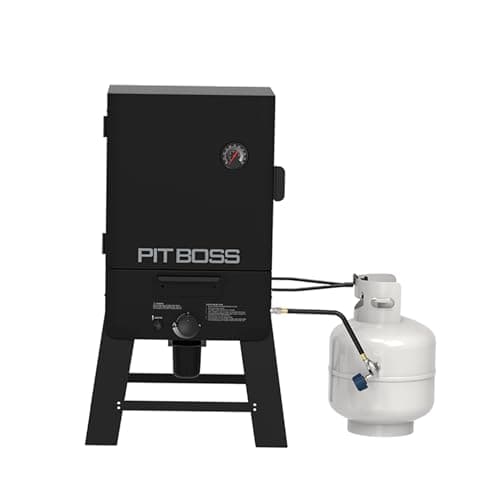
Pit Boss vs Masterbuilt
Two brands that barely compete: Pit Boss is pellet-first, Masterbuilt is electric-first, and only the propane cabinet has both names in it. Five cookers on published figures.
Our top pick
Masterbuilt 30-inch Digital Electric Smoker
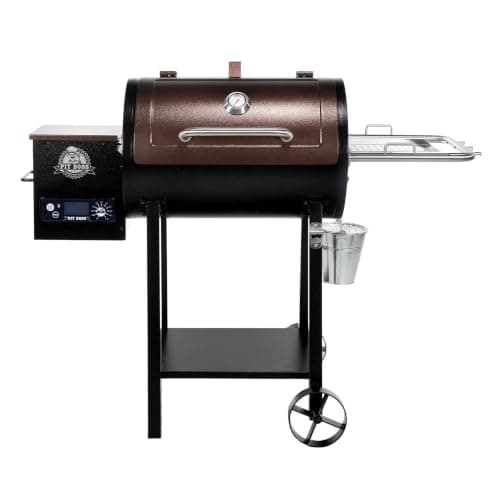
Pit Boss 440 Review
518 sq in, a published 180-500°F range and a flame broiler, for about the least a known brand charges. The five-pound hopper is the catch - here is what it costs you.
Our top pick
Pit Boss 440 Mahogany Series Wood Pellet Grill
$410.99 · View on AmazonPrice as of October 20, 2026. #ad How we’re funded
AKORN vs Kamado Joe
Insulated steel against thick ceramic, at wildly different prices. More grate for less money, or a cooker with a lifetime warranty - on both makers' published figures.
Our top pick
Char-Griller AKORN Kamado Charcoal Grill and Smoker (E16620)
$399.99 · View on AmazonPrice as of October 20, 2026. #ad How we’re funded