There are really only four styles
The sauce aisle looks enormous and is not. Almost every bottle in an American supermarket is a variation on one of four ideas, and once you can name them the wall of labels becomes navigable.
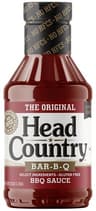
- Kansas City / tomato. Thick, sweet, tomato and molasses, usually with brown sugar high in the ingredients. This is what most people mean by “barbecue sauce.” It clings and caramelizes, and it is the style that burns if you rush it. Killer Hogs and Head Country are both here.
- Texas / thin tomato. Same tomato base, far less sugar, more vinegar and black pepper, thin enough to mop onto the meat during the cook rather than only at the end. Stubb’s is the widely available version.
- Eastern Carolina / vinegar. Barely a sauce in the ketchup sense — vinegar, pepper and a little sugar, thin as water. It exists to cut the fat in whole hog and pulled pork, and it is the one most beginners have never tasted. Lillie’s Q ENC is our pick for it.
- South Carolina / mustard. Mustard seed and vinegar instead of tomato, tangy and savory with a golden color. Superb on pork and chicken, divisive at a table full of people expecting red sauce. Cattlemen’s Carolina Tangy Gold is the cheap way to try it.
You do not need all four. One tomato sauce covers ninety percent of what a beginner cooks. The second bottle worth owning is a vinegar sauce, because it does something no tomato sauce can do — and because pulled pork is the cook most beginners attempt second.
Where the sugar sits is the whole story
Read the ingredient list from the top. Ingredients are listed by weight, so whatever comes first is most of what is in the bottle. In Killer Hogs, brown sugar is first. In Stubb’s, sugar is third, behind tomato puree and vinegar. In Lillie’s Q ENC, cane sugar is fifth, behind water and two different vinegars. Those three facts tell you more about how each bottle behaves on a hot grate than any review score.
Sugar does two things over heat. It caramelizes, which is what makes a glaze look lacquered and taste rich — and then, given a little more heat or a little more time, it burns, which tastes acrid and no amount of extra sauce will fix it. The sweeter the bottle, the shorter the window. A sugar-heavy sauce wants twenty to thirty minutes at the tail end of a low-and-slow cook. A thin, vinegar-forward sauce can go on much earlier and survive.
This is the same logic that governs the rub you put on at the start, and the two stack: a sweet rub under a sweet sauce is a lot of sugar to ask a fire to tolerate. If you are cooking hot — chicken pieces you want crisp skin on, say — pair a sugar-free seasoning with a sweet sauce, not both.
What is actually in each bottle
Every figure below comes from the maker’s own published statement, read on the date in the source notes at the foot of this page. Where a maker publishes nothing, the table says so rather than guessing.
| Sauce | Style | Sweetener position | Maker’s allergen statement |
|---|
| Killer Hogs The BBQ Sauce | Sweet tomato, thick | Brown sugar 1st; also high fructose corn syrup | Contains anchovies (fish) |
| Head Country Original | Sweet-savory tomato | Not published online; maker states no HFCS | Gluten free, free of allergens |
| Stubb’s Original | Thin tangy tomato | Sugar 3rd, behind tomato puree and vinegar | Gluten free, non-GMO, kosher |
| Lillie’s Q ENC | Eastern Carolina vinegar | Cane sugar 5th, behind water and two vinegars | Made with gluten-free ingredients |
| Cattlemen’s Carolina Tangy Gold | South Carolina mustard | Sugar 2nd, behind distilled vinegar | Contains wheat and soybeans |
Two of those rows deserve a flag. The Killer Hogs bottle contains anchovies through its Worcestershire, which matters if you are cooking for anyone with a fish allergy and is not something you would ever guess from the label on the front. And Cattlemen’s Carolina Tangy Gold contains soy sauce, so the maker declares wheat — it is the one bottle here that is not gluten free, despite being the cheapest.
How to sauce without ruining the bark
The single most common beginner mistake with sauce is applying it too early and too thickly. Bark is a crust you spent hours building; a heavy coat of cold, wet, sugary sauce dissolves it and then scorches. The fix is a routine, not a product.
- Wait until the meat is nearly done. On ribs, that is the last twenty to thirty minutes. On pulled pork, sauce goes on after shredding or on the side. On a brisket, most people do not sauce at all.
- Brush thin, not thick. Two thin coats twenty minutes apart set into a glaze. One thick coat runs, pools on the grate and steams the crust.
- Warm it first if it is fridge-cold. A thick cold sauce drags bark off the surface as you brush. Thirty seconds in a pan or a splash of cider vinegar loosens it.
- Give it heat, briefly. Sauce needs a little time on the meat to stop tasting like sauce out of a bottle. Twenty minutes at your normal cook temperature is plenty; the surface should look tacky rather than wet.
- Do not use the brush you dipped in raw-meat marinade. Obvious, routinely forgotten. Sauce that has touched raw meat goes in the trash, not back in the bottle.
One safety note that gets muddled: sauce is a flavor step, not a doneness step. Chicken still has to reach the USDA’s 165°F throughout, sauced or not, and a dark, glossy skin tells you nothing about the inside. That is what your thermometer is for.
Match the sauce to the cook
If you want a shortcut rather than a theory, this is the one we would give a beginner working through their first year of cooks.
- Ribs: a sweet tomato sauce, brushed on in the final hour so it sets. This is what Killer Hogs is for, and our best BBQ sauce for ribs page ranks the bottles on body rather than flavor, because a rack is a vertical surface and a thin sauce runs off it.
- Pulled pork: toss the shredded meat with a vinegar sauce, then put the sweet stuff on the table for anyone who wants it. This one change does more for a pork shoulder than any piece of equipment.
- Chicken and wings: either sauce late and hot for a sticky finish, or go mustard, which is outstanding on poultry and does not need the same care.
- Burnt ends: the one cook where a thick sweet sauce is genuinely the point — the cubes are tossed in it and put back in the smoker to tighten.
- Sausage and leftovers: mustard sauce, every time. It is the bottle you will finish fastest once you discover it.
- Brisket: nothing, or a thin sauce on the side. If a slice of brisket needs sauce to be good, the sauce is not the problem.
What we ignored
We did not pick on awards, on how many bottles a brand sells, or on which pitmaster’s face is on the label. We also did not pick on taste-test rankings, because we have not run one and inventing one would be worthless to you.
We also left out the two biggest supermarket brands on purpose. They are perfectly fine sauces and you may well already have one in the fridge — but they cost a couple of dollars at any grocery store and are consistently poor value online, where they mostly appear as multi-packs at several times the shelf price. Buying a case of the most common barbecue sauce in America over the internet is not advice, it is an affiliate link. If that is the flavor you like, buy it where you buy your groceries.
And there is one style we have deliberately not sent you shopping for. Eastern Carolina vinegar sauce is cider vinegar, red pepper flakes, black pepper, salt and a spoon of sugar, shaken in a jar and left overnight. It is the one sauce a beginner can make better and cheaper than they can buy it. We picked a bottle for people who would rather not, but if you own vinegar and pepper flakes you already own it.
Buying sensibly
Sauce is cheap, so the trap is not overspending on one bottle — it is accumulating nine of them, all half full, all slowly separating in the back of the fridge door. Two bottles is a complete setup for a first year: one sweet tomato sauce and one vinegar sauce. Add a mustard bottle when you get curious.
Size matters more than it looks. A large bottle is better value per ounce and worse value overall if you cook once a month, because an opened bottle does not last forever. Match the bottle to how often you actually light the smoker, not to how often you intend to.
Finally, ignore anything on the front of the label. “Award-winning,” “championship,” “pitmaster” and “authentic” are not regulated terms and tell you nothing. Turn the bottle around: the first three ingredients and the allergen line are the only parts of the packaging that carry information.
Storing sauce so it lasts
Unopened, a commercial barbecue sauce keeps for a long time in a cool cupboard — these are acidic, sugary, preserved products. Once opened, follow the label: nearly all of them say refrigerate after opening, and that is the instruction that actually matters.
Two practical habits. Never dip a brush that has touched raw or part-cooked meat back into the bottle — decant what you need into a bowl and throw away the leftovers. And keep the cap and the neck clean, because dried sauce around the thread is what turns a bottle sticky and eventually moldy long before the sauce itself is bad.
None of this is complicated, which is the point. Sauce is the cheapest, most reversible decision in barbecue: if you do not like the bottle, you are out the price of a sandwich, not the price of a smoker. Spend your attention on fire control and bark, and let the sauce be the easy part.