Smoke & Slow

Best BBQ Rubs for Beginners

Two bottles cover almost everything you will cook in your first year — a sweet one for pork and chicken, and salt-pepper-garlic for beef. Here is which to buy, and when the free option beats both.

By Stephen V.Last updated How we pick

You need two rubs, not twelve. A sweet-and-savory bottle for pork and chicken, and a salt-pepper-garlic blend for beef. That pair covers ribs, pulled pork, wings, a whole bird and a brisket. Nearly everything else in the rub aisle is a variation on those two ideas with a different competition logo on the label.

The one thing worth checking before you buy is sugar. A rub with brown sugar at the top of its ingredient list builds the dark, sticky bark you want on ribs at low temperatures — and turns bitter if you cook hot enough to crisp chicken skin. A rub with no sugar in it will never burn and never gives you that crust. Neither is better; they are for different cooks, and knowing which bottle is which is most of what there is to learn here.

The four below were chosen on published ingredient statements from each maker, on how forgiving each one is for someone still learning their smoker, and on price per ounce (how we pick) — never on cook-offs we did not run. Prices are pulled live. And if you would rather spend nothing at all this weekend, the salt-and-pepper option further down is genuinely what a lot of Central Texas brisket is seasoned with.

How this is funded:we earn a commission if you buy through our links, at no extra cost to you. It never changes which smoker we recommend, and we’ll tell you when we’d skip one. Full disclosure.

Quick picks

Ranked on published specs, beginner-friendliness and value. Select a row to jump to the full write-up. We haven’t cooked on every one of these — here is exactly what we do instead.

#ProductBest forPrice
1
Killer Hogs The BBQ Rub (11 oz)

Killer Hogs The BBQ Rub (11 oz)

If you are only buying one bottle, buy this one. It is the competition rub from Malcom Reed's Killer Hogs team, and its brown-sugar-and-paprika base is exactly what builds the dark, sticky crust most beginners are picturing when they imagine ribs. It goes on pork and chicken without you having to think about it, and at normal low-and-slow temperatures there is no real way to make it taste wrong.

Best overall for a first bottle
$13.49 · View on Amazon

Price as of September 5, 2026. #ad How we’re funded

2
SuckleBusters SPG All-Purpose Salt, Pepper & Garlic (14.5 oz)

SuckleBusters SPG All-Purpose Salt, Pepper & Garlic (14.5 oz)

Central Texas seasons brisket with salt and pepper, and this is that idea in a shaker with garlic added. It is the rub to reach for on beef, where a sweet pork rub fights the meat instead of helping it — and because it is almost all salt, pepper and garlic, it behaves at any temperature you cook at. If you would rather not mix your own, this is the pre-mixed version.

Best for beef and brisket
$12.47 · View on Amazon

Price as of September 5, 2026. #ad How we’re funded

3
Kosmos Q Dirty Bird BBQ Rub (11 oz)

Kosmos Q Dirty Bird BBQ Rub (11 oz)

A poultry rub that solves the specific problem of smoked chicken coming off the smoker looking pale. Paprika and chili pepper give skin the mahogany color that makes wings and thighs look like the photographs, and the brown sugar rounds off the heat. It is the third bottle we would buy, after an all-purpose pork rub and an SPG — and the first one if chicken is what you actually cook.

Best for chicken and wings
$10.95 · View on Amazon

Price as of September 5, 2026. #ad How we’re funded

4
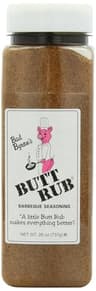
Bad Byron's Butt Rub Barbeque Seasoning (26 oz)

Bad Byron's Butt Rub Barbeque Seasoning (26 oz)

The workhorse. Bad Byron's states the blend as onion, garlic, salt, pepper, paprika and chipotle — no sugar anywhere in it, which is why this is the bottle that never burns. Use it on hot-and-fast chicken, on anything you plan to sauce at the end, and on the vegetables nobody planned for. It is also the biggest bottle on this page by some distance, which is what makes it the value option once you start seasoning generously.

Best value and best sugar-free
$21.99 · View on Amazon

Price as of September 5, 2026. #ad How we’re funded

The picks in full

#1Best overall for a first bottle

Killer Hogs The BBQ Rub (11 oz)

If you are only buying one bottle, buy this one. It is the competition rub from Malcom Reed's Killer Hogs team, and its brown-sugar-and-paprika base is exactly what builds the dark, sticky crust most beginners are picturing when they imagine ribs. It goes on pork and chicken without you having to think about it, and at normal low-and-slow temperatures there is no real way to make it taste wrong.

What’s good

  • Brown sugar and paprika lead the ingredient list — the sweet, dark bark beginners want
  • One bottle covers pork and chicken, so there is no second purchase to think about
  • Maker states the recipe contains no gluten ingredients

Trade-offs

  • Sugar-forward, so it darkens fast and can scorch if you cook hot — not the rub for crisping chicken skin
  • 11 oz net weight is a small bottle; two rib cooks make a real dent in it
  • Includes natural flavor and an anti-caking agent if you want a pure spice blend
FlavorSweet and savory, mild heat
Size11 oz net weight (16 oz by volume)
SugarYes — brown sugar and sugar are the first two ingredients
Best forPork ribs, pork shoulder and chicken at 225-275°F

Specs read from the product listing, on August 28, 2026. “Not published” means the maker doesn’t state that figure there.

#2Best for beef and brisket

SuckleBusters SPG All-Purpose Salt, Pepper & Garlic (14.5 oz)

Central Texas seasons brisket with salt and pepper, and this is that idea in a shaker with garlic added. It is the rub to reach for on beef, where a sweet pork rub fights the meat instead of helping it — and because it is almost all salt, pepper and garlic, it behaves at any temperature you cook at. If you would rather not mix your own, this is the pre-mixed version.

What’s good

  • The classic salt-pepper-garlic profile Central Texas brisket is built on
  • Almost sugar-free, so it will not scorch when you cook hot or sear
  • Maker lists it for beef, pork, chicken, lamb and fish — genuinely all-purpose

Trade-offs

  • Contains turbinado sugar despite the SPG name, so it is not literally sugar-free
  • No sweetness and little color — pork ribs seasoned with it look pale next to a sugar rub
  • Sea salt is the first ingredient, so go easy if you are also dry-brining the meat
FlavorSalt, black pepper and garlic; no heat
Size14.5 oz shaker
SugarA little — turbinado sugar is fourth on the maker's list
Best forBrisket, beef ribs, steak, and hot cooks where sugar would burn

Specs read from the product listing, on August 28, 2026. “Not published” means the maker doesn’t state that figure there.

#3Best for chicken and wings

Kosmos Q Dirty Bird BBQ Rub (11 oz)

A poultry rub that solves the specific problem of smoked chicken coming off the smoker looking pale. Paprika and chili pepper give skin the mahogany color that makes wings and thighs look like the photographs, and the brown sugar rounds off the heat. It is the third bottle we would buy, after an all-purpose pork rub and an SPG — and the first one if chicken is what you actually cook.

What’s good

  • Chili pepper and paprika give poultry the deep red-brown color smoke alone will not
  • Sweet-and-spicy balance is mild enough for a family cook, not a novelty heat rub
  • Built for poultry from the start rather than adapted from a pork rub

Trade-offs

  • Sugar and brown sugar sit high in the ingredient list, so it darkens quickly if you crank the heat to crisp skin
  • Contains disodium inosinate and guanylate — flavor enhancers some cooks avoid
  • 11 oz is a small bottle if you cook whole birds regularly
FlavorSweet and spicy, red-pepper forward
Size11 oz shaker
SugarYes — sugar is second and brown sugar fourth on the maker's list
Best forChicken, wings and thighs smoked at 250-275°F

Specs read from the product listing, on August 28, 2026. “Not published” means the maker doesn’t state that figure there.

#4Best value and best sugar-free

Bad Byron's Butt Rub Barbeque Seasoning (26 oz)

The workhorse. Bad Byron's states the blend as onion, garlic, salt, pepper, paprika and chipotle — no sugar anywhere in it, which is why this is the bottle that never burns. Use it on hot-and-fast chicken, on anything you plan to sauce at the end, and on the vegetables nobody planned for. It is also the biggest bottle on this page by some distance, which is what makes it the value option once you start seasoning generously.

What’s good

  • Maker's stated blend contains no sugar, so it will not scorch at high heat
  • 26 oz shaker is more than twice the size of the competition bottles here
  • Mild chipotle warmth works on meat, potatoes and vegetables alike

Trade-offs

  • Without sugar you get less of the dark, sticky bark a sweet rub builds on ribs
  • The chipotle brings a smoky note not everyone wants on delicate cuts like fish
  • 26 oz is more than an occasional cook will get through before it fades
FlavorSavory and mildly smoky — onion, garlic, paprika, chipotle
Size26 oz shaker bottle
SugarNone in the maker's stated blend
Best forHot-and-fast poultry, sauced cooks, vegetables, everyday seasoning

Specs read from the product listing, on August 28, 2026. “Not published” means the maker doesn’t state that figure there.

What actually separates one rub from another

Barbecue rubs are mostly the same handful of ingredients in different proportions: salt, sugar, paprika, black pepper, garlic and onion. Read the ingredient list in order — it is ranked by weight, so the first two or three words tell you almost everything about how the bottle will behave.

  • Sugar first or secondmeans a sweet rub built for low and slow. It will darken beautifully at 225–275°F and scorch if you push past that.
  • Salt first with no sugar nearby means an all-purpose seasoning that behaves at any temperature and doubles as your everyday kitchen shaker.
  • Coarse grind (visible cracked pepper, big salt crystals) suits beef and long cooks, where you want texture in the crust. A fine, powdery grind clings better to chicken skin and thin cuts.
  • Anti-caking agents and flavor enhancers— tricalcium phosphate, disodium inosinate and guanylate — are common and harmless, but if you want a plain spice blend, they are worth spotting.

What you cannot read off the bottle is heat level in any reliable way, since “spicy” means something different to every maker. Start with the mild version of any rub you like the sound of. You can always add cayenne; you cannot take it out.

Sugar decides how hot you can cook

This is the single most useful thing to understand about rubs, and almost nobody explains it to beginners. Sugar browns as it heats. In the 225–300°F band the USDA gives for smoking, that browning is exactly what you want — it is half of what turns a seasoned pork shoulder into a dark, lacquered crust over ten hours. Push the cooker hotter, though, and the same sugar keeps going past brown and into bitter and black, and it does it long before the meat is ready.

That produces the two most common rub disappointments a first-timer runs into. One is bitter, blackened ribs, which usually means a sugary rub met too much heat rather than “too much smoke.” The other is smoked chicken with beautiful color and rubbery skin, which happens because poultry skin needs higher heat to render and crisp — heat a sugar-heavy rub cannot take. If you want crisp skin, use a sugar-free seasoning and finish the bird hot. Our smoked wings guide walks through that two-stage approach.

For everything cooked genuinely low and slow — ribs, pulled pork, chuck roast — a sweet rub is the right tool and part of how bark forms in the first place.

Match the rub to the meat

What you are cookingReach forWhy
Brisket, beef ribs, chuck roastSalt, pepper and garlicBeef has enough flavor of its own; sweetness competes with it rather than helping
Pork ribs, pork shoulderSweet-and-savory rubSugar and paprika build the dark, sticky bark people picture when they picture barbecue
Whole chicken, thighs, wingsPoultry rub — or sugar-free if crisping skinPaprika gives color smoke alone will not; sugar burns at the heat skin needs
TurkeySalt-forward, low sugarLong cook, big bird, and skin you want to render rather than blacken
Anything you will sauce at the endSugar-free all-purposeThe sauce brings the sugar; doubling up gets cloying and burns twice
Vegetables, potatoes, weeknight cookingWhatever big shaker you ownThis is where the 26 oz bottle earns its place instead of going stale

You will notice the table needs only three profiles: sweet, salt-pepper-garlic, and poultry. That is why we list four bottles rather than fifteen. A cabinet of single-purpose rubs is something you accumulate later, once you know what you actually cook.

The free rub: salt, pepper and garlic

Before you buy anything, know that the most respected brisket in the country is seasoned with coarse salt and coarse black pepper, roughly half and half, and nothing else. Add granulated garlic if you like and you have SPG, which is the other bottle we recommend, made from things already in your kitchen.

Two details matter more than the ratio. Use coarsegrinds — kosher or flake salt and a coarse-cracked pepper. Fine table salt is far denser by the spoonful, so the same measure oversalts badly, and fine pepper disappears into the meat instead of forming texture in the crust. And mix more than you think you need: seasoning a packer brisket takes a startling amount, and running out halfway through is how you end up with an unevenly seasoned flat.

So why buy a bottle at all? Consistency and time, mostly. A pre-mixed rub gives you the same result every cook and saves the fifteen minutes of grinding pepper, and the pork and poultry blends bring paprika, onion and a little sugar you would otherwise be measuring one at a time. Start with salt and pepper on beef, and buy a bottle for the cooks where color and sweetness are the point.

How to apply it, and when

Season until you can just barely see the meat through the rub — more than looks reasonable the first time, less than a solid crust of spice. Sprinkle from a height so it lands evenly rather than in clumps, and get the sides and the underside of anything thick.

A binder — a thin smear of yellow mustard, mayonnaise or oil — is optional. It helps rub stick to a dry surface and it cooks away without leaving any flavor behind, so use it if your rub keeps falling off and skip it if it does not. It is not what makes bark.

Timing depends on the salt. If your rub is salt-forward, applying it the night before turns it into a dry brine: the salt draws out moisture, dissolves and gets reabsorbed, seasoning the meat rather than just its surface, and it dries the exterior so smoke and color take hold better. Our dry brine vs wet brine guide covers how long for which cut. If you are seasoning an hour before the cook instead, that is fine too — it just stays a surface seasoning.

One food-safety habit worth building from day one: shake the rub you need into a bowl and season out of the bowl, rather than shaking the bottle directly over raw meat. Anything left in the bowl gets thrown away. It costs a few cents of rub and keeps a bottle you will still be using in a year from ever touching raw pork.

Buying sensibly: size, price and what to skip

Compare price per ounce, not price per bottle. Competition-brand shakers are usually in the 11–16 oz range, while a workhorse all-purpose seasoning often comes in a bottle twice that size — which changes the value calculation entirely if you are seasoning vegetables and weeknight chicken with it too. Buy the small bottle of a specialty rub you are trying for the first time, and the big one of whatever you reach for constantly.

Three things we would skip at the start:

  • Variety gift packs. Six half-full bottles of rubs you did not choose, most of which will go stale before you find a use for them.
  • A separate rub for every cut. Brisket rub, rib rub, chicken rub and pork rub from the same brand are often close cousins. The three profiles in the table above genuinely cover it.
  • Anything sold on heat alone. Novelty hot rubs are a poor way to season a twelve-hour cook you are feeding other people from.

Rub is also one of the cheapest ways to improve a cook, which is worth remembering when you are pricing accessories. It sits alongside a thermometer and decent wood on the short list in our smoker starter kit guide — and, unlike most of the gadget aisle, you will use every ounce of it.

Storing rub so it lasts

Ground spices do not spoil, they fade. Paprika, garlic and pepper lose their punch over roughly a year, faster in heat and light, and a rub that has been open on a sunny windowsill since last summer is why some people conclude their rub “does nothing.” Keep bottles closed, cool and dark — a cupboard, not the shelf beside the smoker.

Moisture is the other enemy. Never shake a bottle over steaming meat: the steam gets in, the sugar and salt clump, and the shaker holes cement themselves shut. That is the practical reason for the bowl habit above, quite apart from the food safety one.

Two bottles, stored properly, will comfortably see you through a first season of cooking. Spend the money you saved on better wood instead — that is the flavor decision that actually moves the needle.

Frequently asked questions

What is the best BBQ rub for a beginner?

A sweet-and-savory all-purpose rub for pork and chicken, plus salt, pepper and garlic for beef. Those two profiles cover ribs, pulled pork, wings, whole birds and brisket. Killer Hogs The BBQ Rub is our pick for the first bottle because it is forgiving at low-and-slow temperatures and needs no second purchase to cover both pork and chicken.

Do you really need a different rub for beef and pork?

Practically, yes — but only two. Beef has plenty of flavor of its own and is best served by salt, pepper and garlic, while pork benefits from the sugar and paprika that build a dark, sticky bark. Using a sweet pork rub on brisket is not a disaster, it just fights the meat rather than helping it.

Why did my rub turn bitter and black?

Almost always sugar plus too much heat. Sweet rubs are built for the 225-300°F range the USDA gives for smoking; run hotter and the sugar goes past browned into burnt long before the meat is done. Either keep the cooker in that band or switch to a sugar-free seasoning for hot cooks.

Do you need a binder like mustard under the rub?

No. A thin smear of mustard, mayonnaise or oil helps rub stick to a dry surface and cooks away without leaving flavor behind, so use it if your rub keeps sliding off. It does not create bark and it does not add taste — it is a convenience, not a technique.

When should you apply BBQ rub — the night before or just before cooking?

If the rub is salt-forward, the night before is better: the salt acts as a dry brine, seasoning the meat itself rather than only its surface and drying the exterior so smoke and color take better. An hour before works fine too, it just stays a surface seasoning. Very sugary rubs gain less from an overnight rest.

Can you just make your own rub?

Yes, and for beef you probably should. Equal parts coarse kosher salt and coarse-cracked black pepper, with granulated garlic if you want SPG, is what a great deal of Central Texas brisket is seasoned with. Buy a bottle when you want the paprika, onion and sugar of a pork or poultry blend without measuring five jars.

How long does BBQ rub keep?

It does not spoil, it fades. Ground spices lose most of their punch over about a year, faster in heat and light, so store bottles closed in a cool dark cupboard rather than next to the smoker. Keep steam and moisture out of the bottle and the shaker holes will not clog either.

Sources

Keep reading