The Gear a Beginner Actually Needs
Skip the gadget wall. The short list of accessories that genuinely make your first cooks easier — a thermometer, the right wood, and a starter kit.
Barbecue has a bottomless accessory aisle, and almost none of it matters for your first few cooks. The honest truth is that a beginner needs three things beyond the smoker itself: a way to measure temperature, the right wood, and a small handful of basics. Buy those well and ignore the rest until you actually miss it.
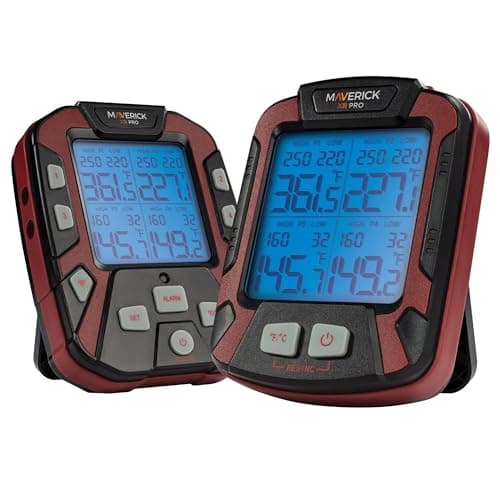
If you buy only one accessory, make it a meat thermometer. We say this everywhere on the site because it’s true: no smoker, however expensive, tells you when the meat inside has hit a safe, tender temperature. A good thermometer is what turns “I hope this is done” into “I know this is done” — and it costs a fraction of the smoker. Our roundup covers leave-in probes you can watch from inside the house and cheap instant-read units for the final check.
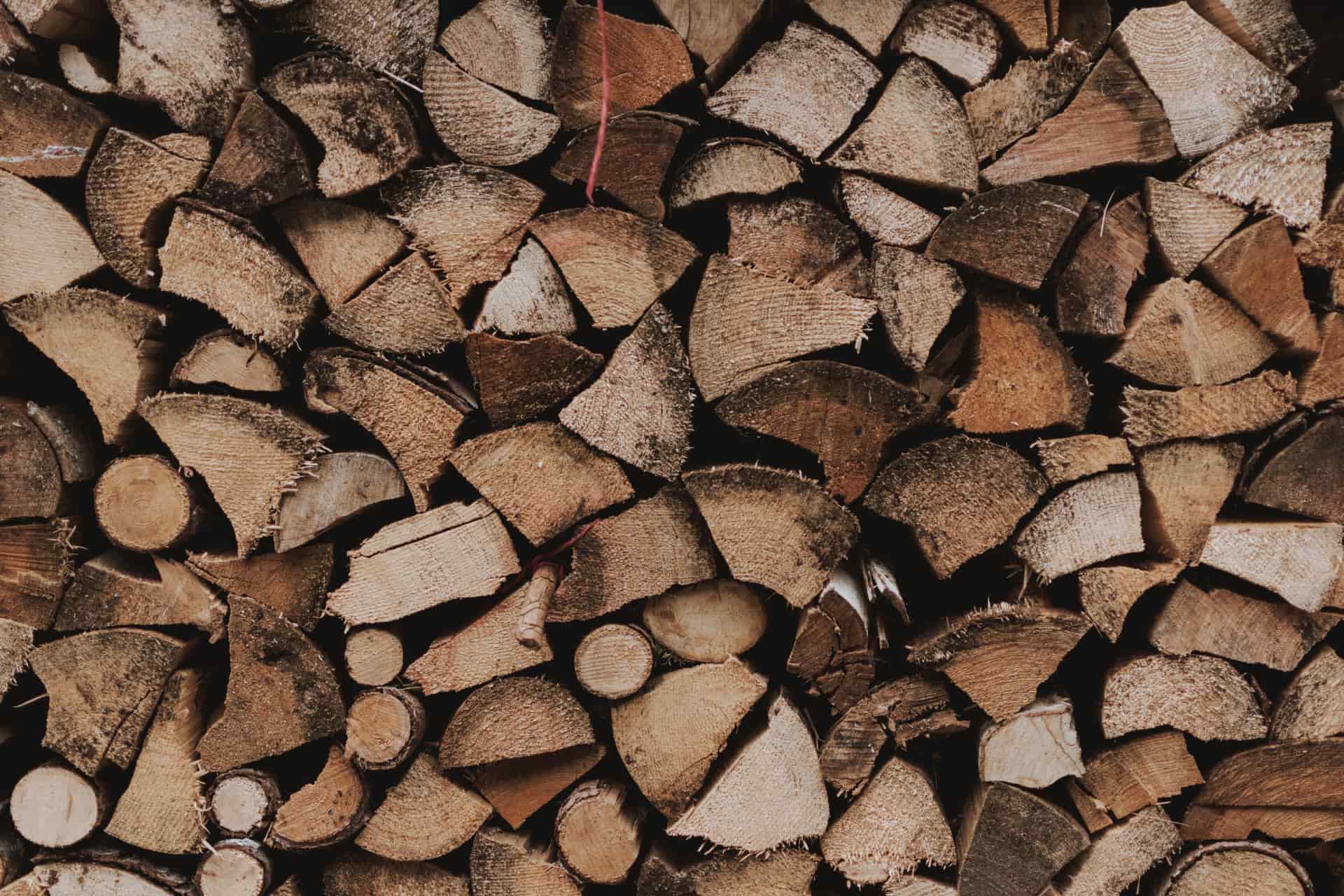
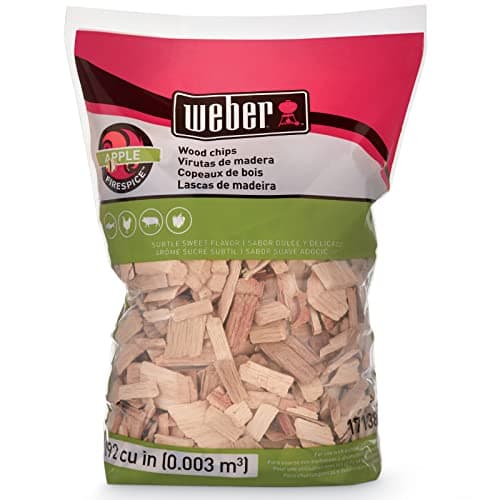
Next comes wood, because smoke flavor is the entire point. The good news is it’s cheap and the choice is simpler than the internet makes it sound: mild fruit woods like apple are forgiving and hard to overdo, while hickory brings the bold, classic barbecue punch. Our best wood for smoking guide explains which wood tastes like what and which to start with — and flags the difference between chunks (for charcoal smokers) and chips (for electric and gas), which trips up a lot of beginners.
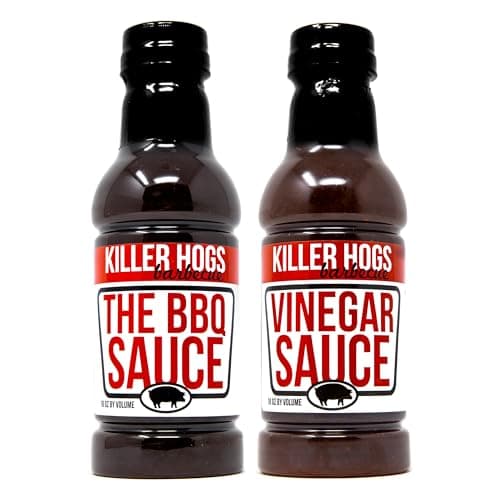
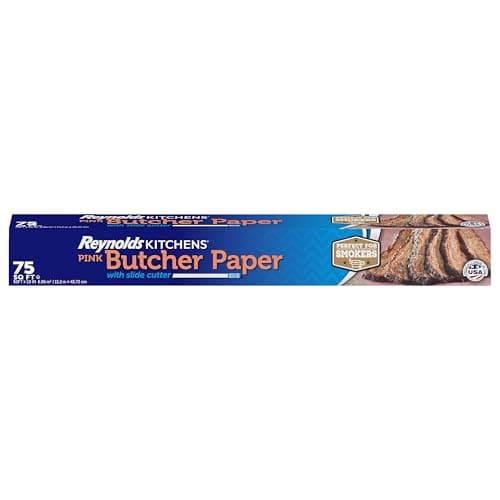
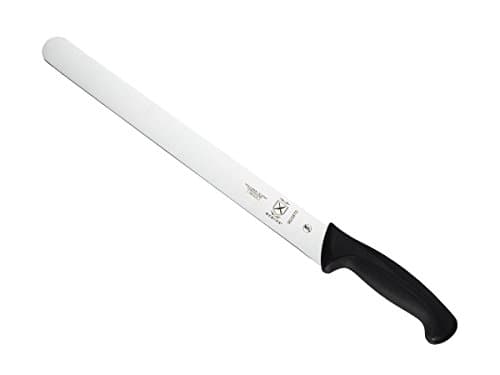
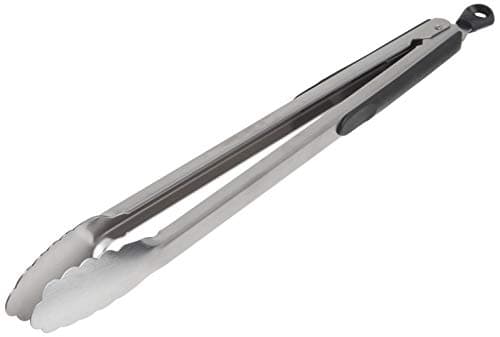
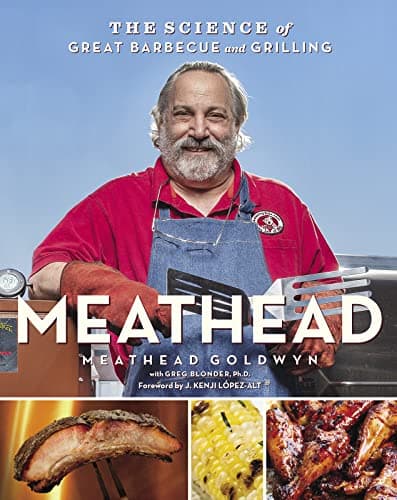
Finally, a few genuinely useful basics round out a first-timer’s setup: heat-resistant gloves, a chimney starter if you’re on charcoal, one pair of 16-inch BBQ tongs (the ones in your kitchen drawer are the wrong length for a lit grate), and a couple of other cheap items. Our smoker starter kit guide lists what’s worth buying and, just as importantly, what you can safely skip. And for the last twenty minutes of a cook, our BBQ sauce picks cover the four styles that exist and which bottles burn if you brush them on too early. If a brisket is on your list, add a roll of butcher paper — it’s what protects the bark when you wrap — and one long brisket knife, because a packer is wider than anything in your kitchen drawer and sawing at it ruins the slices. And once the gear stops being the thing holding you back, one good BBQ cookbook does more for your next cook than another gadget will — we sorted the shelf by which cooker each book assumes you own.
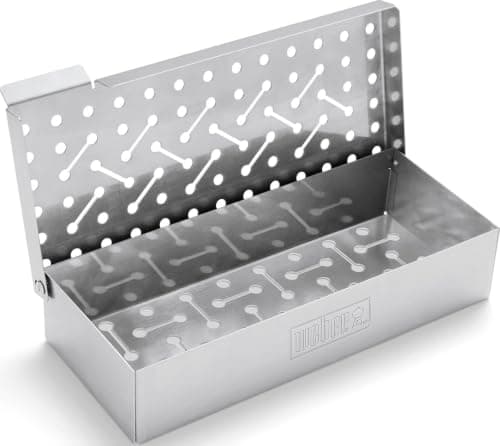
And if you have not bought a smoker at all yet, the cheapest useful thing in this section is a smoker box for a gas grill — an inexpensive steel box that turns the grill you already own into a rough smoker for an afternoon. It is the honest way to find out whether you like smoked food before you spend real money, and our roundup covers the four things that separate a box that lasts from one that warps, plus the point where a pellet tube becomes the better buy.
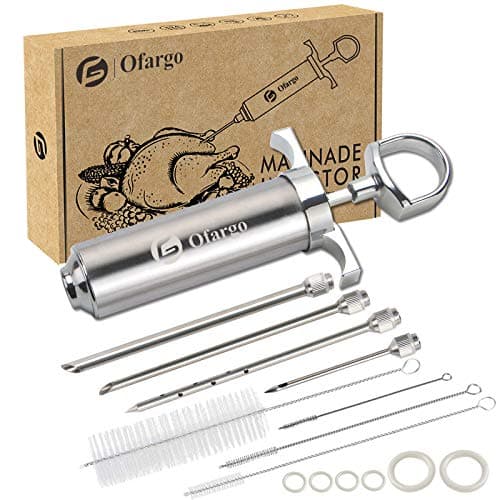
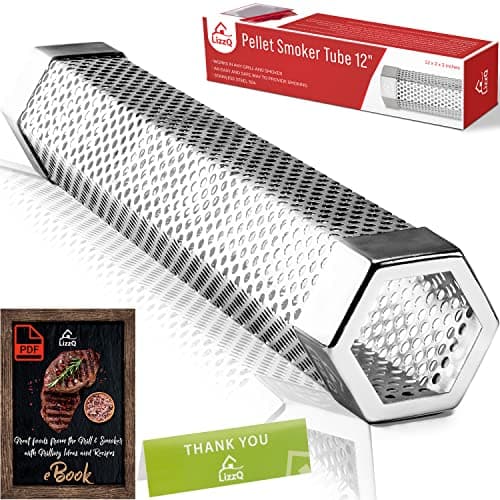
Two more accessories earn a place here once the basics are covered, and both solve a problem the rest of this list cannot. A smoke tube is a perforated steel pipe full of pellets that smolders for hours — ten dollars, no moving parts, and the standard fix for a pellet or electric smoker that does not taste as smoky as you hoped. And a meat injector is the only way to get salt and moisture into the middle of a whole brisket, pork shoulder or turkey, because a rub seasons the surface and no further. Our roundups cover which ones are worth buying, what to put in them, and in the injector’s case the one USDA food-safety rule that changes the moment a needle goes into meat.
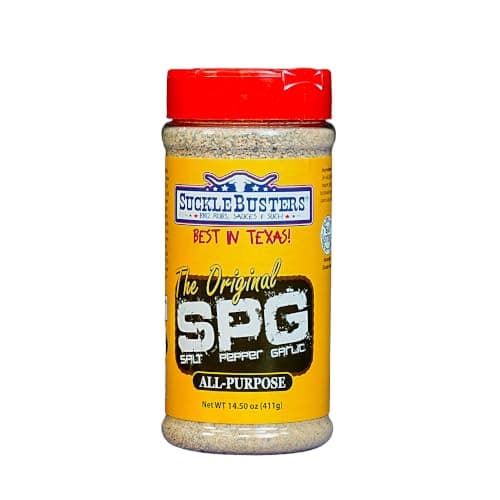
Two of the bottles above have a per-cut answer that differs from the general one, which is why they have their own pages. A brisket rub should be salt, pepper and garlic rather than the sweet all-purpose blend we recommend for pork, because sugar has fourteen hours to darken on a packer. And the best BBQ sauce for ribs is a thickness question before it is a flavor one, since a rib rack is a vertical surface and a thin sauce simply runs off it. On the wood shelf, the cluster now covers fish too: wood for smoking salmon is the one page here that argues for using less wood, because a fillet picks up smoke in minutes rather than hours.
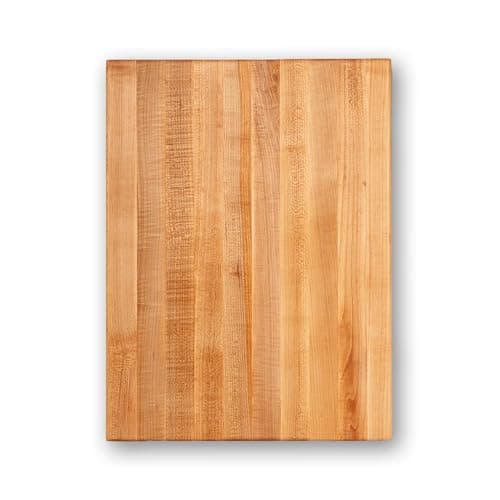
One more thing belongs with the knife rather than after it. A whole packer brisket overhangs anything in a normal kitchen, and a brisket that can move while you cut it produces uneven slices no blade can rescue — which is why our cutting board picks are sorted on published size before anything else, and why two of the five cost very different amounts for exactly the same working area.
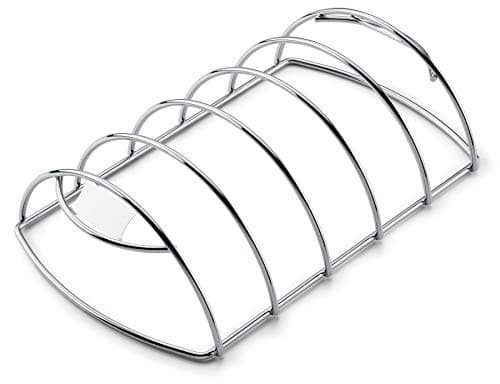
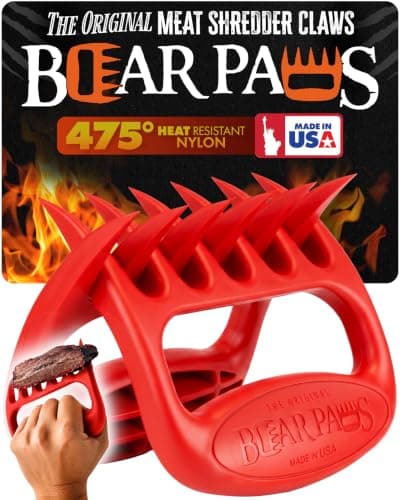
Three newer additions round out the shelf, and all three answer a question an existing page here kept raising without resolving. A rib rack is the cheapest capacity upgrade a smoker can have — stand the racks on edge and four or five fit where one used to — and the awkward truth of that category is that almost nobody publishes a dimension, so our roundup ranks on published capacity and tells you to measure first. Meat claws are not really a shredding tool: the job they do that forks cannot is lifting nine pounds of falling-apart pork shoulder off a grate in one piece, and the nylon-versus-steel choice is decided by whether you own nonstick pans. And the best BBQ rub for ribs is the third leg of the rub shelf, after the general bottle and the beef one — ribs cook in the narrow band where sugar caramelizes instead of burning, which makes them the one cut a sweet rub was really invented for.
The wood shelf has one more gap worth naming, and it belongs to the cooker we recommend most often. Everything above sorts wood by species; an electric cabinet owner has a different problem, because the chip tray over the element holds about a cupful and empties in under an hour. Our wood chips for an electric smoker roundup sorts five bags by species and pack size instead, works out how many cooks a bag really lasts, and says plainly which claims on a chip bag mean nothing — no maker in the category publishes a chip size or a moisture content.
What to skip (for now)
Plenty of popular gadgets are fun but unnecessary at the start. You don’t need an automatic temperature-control fan, a rib rack, an expensive knife set, or a cabinet of specialty rubs to cook great food on your first weekend — two bottles of rub cover nearly everything. Those are upgrades for when you’ve caught the bug and know what you’re missing — not day-one purchases. Spending your budget on a better thermometer and leaving the gadgets on the shelf is almost always the right call.
How we choose what to recommend
Every pick in this section is chosen on published specs, real-world beginner-friendliness and value — and each carries a live, dated Amazon price so you never see a stale number. We recommend the cheaper option when it’s the better buy for a beginner, and we say plainly when an accessory isn’t worth it. Here’s exactly how we pick. Prices and links here are affiliate links, which is how the site is funded — it never changes what we recommend.
Buying gear as a gift?
Most of this section is also what a smoker owner wants to be given. Our gift guides re-explain the same picks for someone who doesn’t know the hobby — who each one suits, why it lands, and what to check — split into stocking stuffers, under $50 and under $150. Thermometers are also one of the gear categories with a documented Black Friday record; the deals hub has the evidence.
Everything in Gear
Best Meat Thermometers for Smoking
The single most important accessory — leave-in and instant-read picks that take the guesswork out.
Our top pick
Maverick XR-50 Extended Range 4-Probe Wireless Thermometer
Best Wood for Smoking (A Beginner's Guide)
Which wood tastes like what, which to start with, and the variety pack that lets you find out.
Our top pick
Weber Apple Wood Chunks (4 lb)
$10.99 · View on AmazonPrice as of October 20, 2026. #ad How we’re funded
Smoker Starter Kit: What You Actually Need
The genuinely useful accessories for your first cooks — and the ones you can safely skip.
Best Wireless Meat Thermometers for Smoking
Watch the cook from inside — the best wireless and leave-in meat thermometers for smoking, from budget Bluetooth to long-range receivers.
Our top pick
Maverick XR-50 Extended Range 4-Probe Wireless Thermometer
How to Choose a Meat Thermometer for Smoking
Instant-read, leave-in, Bluetooth or WiFi? A plain-English buying guide to picking the one thermometer a beginner actually needs.
Apple vs Hickory Wood for Smoking
The two woods every beginner compares — mild, sweet apple against bold, classic hickory, and which to reach for on which meat.
Our top pick
Weber Apple Wood Chunks (4 lb)
$10.99 · View on AmazonPrice as of October 20, 2026. #ad How we’re funded
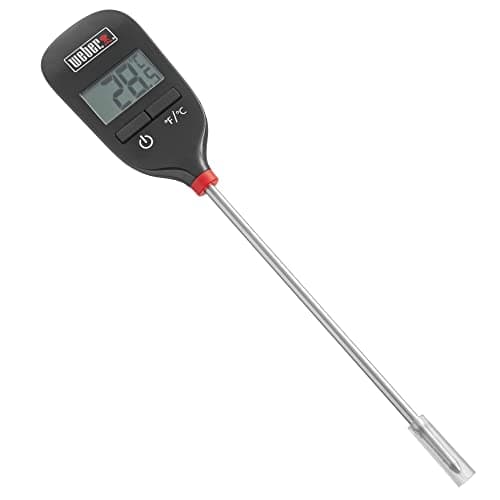
Best Budget Meat Thermometers for Smoking
You don't need to spend big to cook safely — the best cheap meat thermometers for smoking, from a pocket instant-read to budget leave-in monitors.
Our top pick
Weber Instant-Read Thermometer
Best BBQ Gloves for Smoking
Heat-resistant gloves make handling hot grates and pulling pork far safer — what to look for in a pair of BBQ gloves, and the set we point beginners to.
Best Wood for Smoking Brisket
Big beef loves bold smoke — the best woods for smoking brisket, from classic oak and hickory to a little cherry for color, and how much to use.
Best Wood for Smoking Pork
Pork takes beautifully to smoke — the best woods for ribs, pulled pork and chops, from sweet apple and cherry to classic hickory, and how to blend them.
Hickory vs Mesquite Wood for Smoking
The two boldest barbecue woods, compared — bacon-like hickory against intense, earthy mesquite, which to use on what, and why beginners go easy on mesquite.
Best Wood for Smoking Chicken
Poultry takes smoke fast, so milder is better — the best woods for smoking chicken, from sweet apple and cherry to a touch of hickory, and how much to use.
Best Wood for Smoking Ribs
Ribs love a sweet-and-savory balance — the best woods for smoking pork ribs, from apple and cherry to classic hickory, and the easy beginner blend to start with.
Cherry vs Apple Wood for Smoking
The two friendliest fruit woods, compared — mild, sweet apple against cherry's slightly richer flavor and its gift for color, and which to reach for on which meat.
The Best Wood for Smoking (for Total Beginners)
New to smoke and not sure where to start? The most forgiving woods for a first cook, the one variety pack that lets you taste the difference, and what to avoid early.
Instant-Read vs Leave-In Meat Thermometer
The two kinds of thermometer every smoker needs — a leave-in probe to watch the cook and a fast instant-read to confirm doneness. What each does, and why you want both.
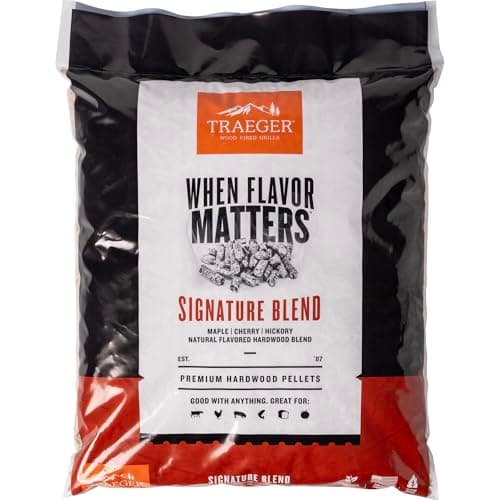
Best Wood Pellets for Smoking
Your pellet grill's fuel is also its only source of flavor. The blends worth buying, the single wood to keep for beef, and how to spot a bag that is mostly filler.
Our top pick
Traeger Signature Blend Hardwood Pellets (18 lb)
$19.99 · View on AmazonPrice as of October 20, 2026. #ad How we’re funded
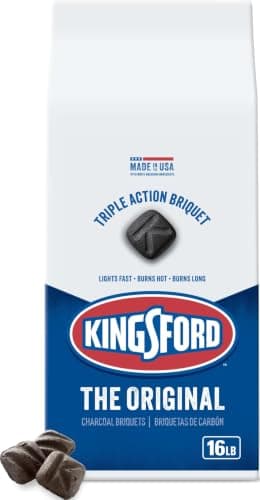
Best Charcoal for Smoking
Briquettes or lump, and which bag to actually buy. The fuel choice that decides how steady your first long cook runs — and why the cheap answer is usually right.
Our top pick
Kingsford Original Charcoal Briquettes (16 lb)
$10.92 · View on AmazonPrice as of October 20, 2026. #ad How we’re funded
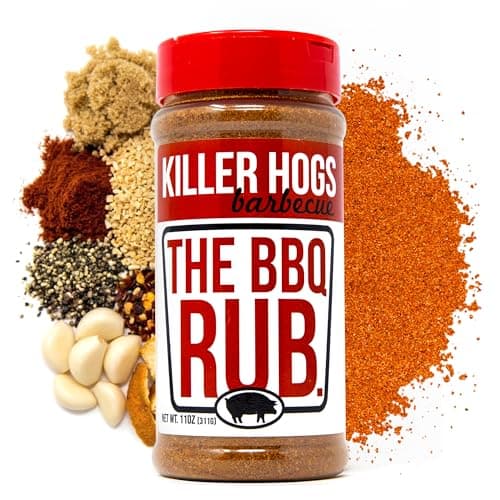
Best BBQ Rubs for Beginners
Two bottles cover almost everything you will cook in your first year — a sweet one for pork and chicken, salt-pepper-garlic for beef — and sugar content decides how hot you can cook with either.
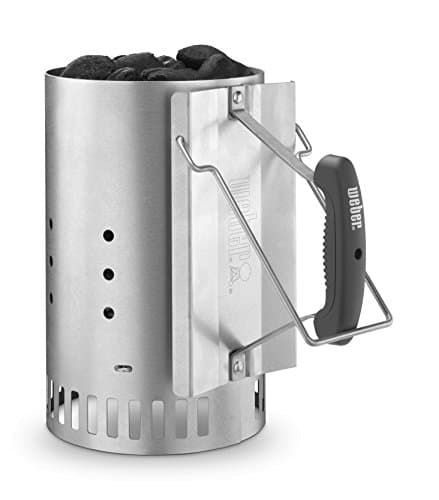
Best Charcoal Chimney Starters
The cheapest upgrade a charcoal smoker owner can make: evenly lit coals in about twenty minutes, and no lighter fluid anywhere near a cook that lasts all day.
Our top pick
Weber Rapidfire Chimney Starter
$24.99 · View on AmazonPrice as of October 20, 2026. #ad How we’re funded
Best BBQ Sauces for Beginners
Sauce is the last twenty minutes of a cook, not the whole of it. The five bottles worth owning, what is actually in each one, and why the sweet ones burn if you brush them on too early.
Our top pick
Killer Hogs The BBQ Sauce + Vinegar Sauce (two 16 oz bottles)
Best Butcher Paper for Brisket
Unwaxed pink butcher paper is what protects the bark when you wrap a brisket, and the only specs that matter are width, length and whether the maker will tell you how hot it can go.
Our top pick
Reynolds Kitchens Pink Butcher Paper with Slide Cutter (75 sq ft)
$9.78 · View on AmazonPrice as of October 20, 2026. #ad How we’re funded
Best Brisket Knife for Slicing and Trimming
A brisket is too wide for a kitchen knife. What you need is one long blade that crosses it in a single pull — and, if you trim your own, one short curved one that does the opposite job.
Our top pick
Mercer Culinary Millennia M23870 12-inch Plain Edge Slicer
$30.27 · View on AmazonPrice as of October 20, 2026. #ad How we’re funded
Best BBQ Tongs for Smoking and Grilling
Sixteen inches, stainless steel, scalloped tips and a lock. That is the whole specification for a smoker tong, the cheapest pair here meets it, and USDA gives you a good reason to own two.
Our top pick
OXO Good Grips 16-Inch Locking Stainless Steel Tongs
$20.95 · View on AmazonPrice as of October 20, 2026. #ad How we’re funded
Best BBQ Cookbooks for Beginners
Six books that are still worth buying, sorted by the only question that matters: which cooker do you own, and do you want method or recipes?
Our top pick
Meathead Goldwyn The Science of Great Barbecue and Grilling
Best Smoker Box for a Gas Grill
The cheapest way to find out whether you like barbecue before you buy a smoker. Heavy steel, a hinged lid and vent holes on top is the whole specification — and for anything longer than ribs, a box is the wrong tool.
Our top pick
Weber Premium Universal Smoker Box (stainless steel)
Best Meat Injector for Smoking
A stainless barrel, two ounces and a needle that passes what you mixed is the whole specification. The five worth buying, what to put in them, and the USDA rule that applies the moment a needle goes into meat.
Our top pick
Ofargo Stainless Steel Meat Injector Syringe Kit (2 oz, 4 needles)
$27.99 · View on AmazonPrice as of October 20, 2026. #ad How we’re funded
Best Smoke Tube for a Pellet Grill
The best ten dollars on this site if your pellet grill does not taste smoky enough. Nearly every tube is the same steel pipe, so the real decisions are length, shape and how you light it.
Our top pick
LIZZQ Premium Pellet Smoker Tube (12 inch)
$13.93 · View on AmazonPrice as of October 20, 2026. #ad How we’re funded
Best Wood for Smoking Turkey
Turkey is the one bird that punishes a heavy wood. The fruit woods that flatter it, the blend that gives it color, and how much to use on a 14-pound bird.
Our top pick
Weber Apple Wood Chunks (4 lb)
$10.99 · View on AmazonPrice as of October 20, 2026. #ad How we’re funded
Lump Charcoal vs Briquettes
One is pressed to a uniform size and burns predictably. The other is burnt wood and burns hotter and faster. Which belongs in a smoker, and which belongs in a kamado.
Our top pick
Kingsford Original Charcoal Briquettes (16 lb)
$10.92 · View on AmazonPrice as of October 20, 2026. #ad How we’re funded
Best Brisket Rub
Beef wants salt, pepper and garlic, not sugar — a packer cooks for fourteen hours and sugar has all of them to darken. Three bottles, judged on what the makers state is inside.
Our top pick
SuckleBusters SPG All-Purpose Salt, Pepper & Garlic (14.5 oz)
$12.47 · View on AmazonPrice as of October 20, 2026. #ad How we’re funded
Best BBQ Sauce for Ribs
A rib sauce has to cling to a vertical rack and set into a glaze without blackening. Four bottles ranked on body, sweetener position and the last-30-minutes rule.
Our top pick
Killer Hogs The BBQ Sauce + Vinegar Sauce (two 16 oz bottles)
Best Wood for Smoking Salmon
Fish takes smoke in minutes, so the wood choice is about restraint. Apple, cherry or chips, how little to use, and why cedar is not a smoking wood.
Our top pick
Weber Apple Wood Chunks (4 lb)
$10.99 · View on AmazonPrice as of October 20, 2026. #ad How we’re funded
Best Cutting Board for Brisket
A whole packer overhangs anything in a normal kitchen, which is why slicing goes wrong before the knife touches it. Five boards ranked on published size, thickness and juice groove.
Our top pick
John Boos R2418 Platinum Commercial Series Maple Board (24 x 18 x 1.75 in)
$184.95 · View on AmazonPrice as of October 20, 2026. #ad How we’re funded
Best Rib Rack for a Smoker
Ribs laid flat eat a whole grate each. On edge in a rack, four or five fit in the same space - the cheapest capacity upgrade a smoker will ever get.
Our top pick
Weber Rib Rack (Holds 5 Racks)
$21.98 · View on AmazonPrice as of October 20, 2026. #ad How we’re funded
Best Meat Claws for Pulled Pork
Not mainly a shredding tool - the job claws do best is lifting nine pounds of falling-apart shoulder off a grate in one piece. Nylon against steel, on published material.
Our top pick
Bear Paws Meat Claws - The Original BBQ Meat Shredder Claws (Red)
$11.99 · View on AmazonPrice as of October 20, 2026. #ad How we’re funded
Best BBQ Rub for Ribs
Ribs are the cut a sweet rub was invented for, and the one where sugar is likeliest to catch. Four rubs on their makers' own ingredient statements.
Best Wood Chips for an Electric Smoker
A cabinet gives you one small tray and a reload every 45 minutes. Five bags on species and pack size, plus the arithmetic on how long a bag really lasts.
Our top pick
Weber Apple Wood Chips (2 lb)