Smoke & Slow

Best Brisket Rub

Brisket is the one cut where the rub you grab for ribs is the wrong bottle. It cooks for ten hours or more, which means every gram of sugar in the blend has ten hours to darken — and that is why Central Texas seasons a packer with salt, pepper and garlic and stops there.

By Stephen V.Last updated How we pick

Buy SuckleBusters SPG. It is salt, black pepper and garlic in a shaker, which is the seasoning a Central Texas brisket actually gets, and it is the right pick for a first packer because there is almost no way to make it taste wrong. If you would rather your brisket came out sweeter and darker, the Killer Hogs rub further down is the honest alternative — but read the sugar section first, because that choice has consequences at hour nine.

This page is deliberately short on picks. We already rank store-bought rubs in general, and the answer there is a sweet all-purpose bottle, because most of what a beginner cooks is pork and chicken. Brisket inverts that advice. A packer spends ten to fourteen hours in the smoker and comes off somewhere around 203°F internal — far past the 145°F USDA lists as the safe minimum for beef, because tenderness and safety are two different temperatures. A rub built on brown sugar simply has too long to sit in that heat.

So there are three bottles here, not six, and they are ranked on what the makers themselves state is inside. We have not run a taste panel and we do not pretend to have: every claim below traces to a published ingredient statement, dated in the sources at the foot of the page.

How this is funded:we earn a commission if you buy through our links, at no extra cost to you. It never changes which smoker we recommend, and we’ll tell you when we’d skip one. Full disclosure.

Quick picks

Ranked on published specs, beginner-friendliness and value. Select a row to jump to the full write-up. We haven’t cooked on every one of these — here is exactly what we do instead.

#ProductBest forPrice
1
SuckleBusters SPG All-Purpose Salt, Pepper & Garlic (14.5 oz)

SuckleBusters SPG All-Purpose Salt, Pepper & Garlic (14.5 oz)

Central Texas seasons brisket with salt and pepper, and this is that idea in a shaker with garlic added. It is the rub to reach for on beef, where a sweet pork rub fights the meat instead of helping it — and because it is almost all salt, pepper and garlic, it behaves at any temperature you cook at. If you would rather not mix your own, this is the pre-mixed version.

Best brisket rub overall
$12.47 · View on Amazon

Price as of October 20, 2026. #ad How we’re funded

2
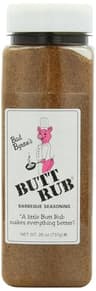
Bad Byron's Butt Rub Barbeque Seasoning (26 oz)

Bad Byron's Butt Rub Barbeque Seasoning (26 oz)

The workhorse. Bad Byron's states the blend as onion, garlic, salt, pepper, paprika and chipotle — no sugar anywhere in it, which is why this is the bottle that never burns. Use it on hot-and-fast chicken, on anything you plan to sauce at the end, and on the vegetables nobody planned for. It is also the biggest bottle on this page by some distance, which is what makes it the value option once you start seasoning generously.

Best if you cook hot and fast
$20.99 · View on Amazon

Price as of October 20, 2026. #ad How we’re funded

3
Killer Hogs The BBQ Rub (11 oz)

Killer Hogs The BBQ Rub (11 oz)

If you are only buying one bottle, buy this one. It is the competition rub from Malcom Reed's Killer Hogs team, and its brown-sugar-and-paprika base is exactly what builds the dark, sticky crust most beginners are picturing when they imagine ribs. It goes on pork and chicken without you having to think about it, and at normal low-and-slow temperatures there is no real way to make it taste wrong.

Best for a sweeter, Kansas City brisket

The picks in full

#1Best brisket rub overall

SuckleBusters SPG All-Purpose Salt, Pepper & Garlic (14.5 oz)

Central Texas seasons brisket with salt and pepper, and this is that idea in a shaker with garlic added. It is the rub to reach for on beef, where a sweet pork rub fights the meat instead of helping it — and because it is almost all salt, pepper and garlic, it behaves at any temperature you cook at. If you would rather not mix your own, this is the pre-mixed version.

What’s good

  • The classic salt-pepper-garlic profile Central Texas brisket is built on
  • Almost sugar-free, so it will not scorch when you cook hot or sear
  • Maker lists it for beef, pork, chicken, lamb and fish — genuinely all-purpose

Trade-offs

  • Contains turbinado sugar despite the SPG name, so it is not literally sugar-free
  • No sweetness and little color — pork ribs seasoned with it look pale next to a sugar rub
  • Sea salt is the first ingredient, so go easy if you are also dry-brining the meat
FlavorSalt, black pepper and garlic; no heat
Size14.5 oz shaker
SugarA little — turbinado sugar is fourth on the maker's list
Best forBrisket, beef ribs, steak, and hot cooks where sugar would burn

Specs read from the product listing, on August 28, 2026. “Not published” means the maker doesn’t state that figure there.

#2Best if you cook hot and fast

Bad Byron's Butt Rub Barbeque Seasoning (26 oz)

The workhorse. Bad Byron's states the blend as onion, garlic, salt, pepper, paprika and chipotle — no sugar anywhere in it, which is why this is the bottle that never burns. Use it on hot-and-fast chicken, on anything you plan to sauce at the end, and on the vegetables nobody planned for. It is also the biggest bottle on this page by some distance, which is what makes it the value option once you start seasoning generously.

What’s good

  • Maker's stated blend contains no sugar, so it will not scorch at high heat
  • 26 oz shaker is the biggest bottle on this page — the others run 11 to 16 oz
  • Mild chipotle warmth works on meat, potatoes and vegetables alike

Trade-offs

  • Without sugar you get less of the dark, sticky bark a sweet rub builds on ribs
  • The chipotle brings a smoky note not everyone wants on delicate cuts like fish
  • 26 oz is more than an occasional cook will get through before it fades
FlavorSavory and mildly smoky — onion, garlic, paprika, chipotle
Size26 oz shaker bottle
SugarNone in the maker's stated blend
Best forHot-and-fast poultry, sauced cooks, vegetables, everyday seasoning

Specs read from the product listing, on October 9, 2026. “Not published” means the maker doesn’t state that figure there.

#3Best for a sweeter, Kansas City brisket

Killer Hogs The BBQ Rub (11 oz)

If you are only buying one bottle, buy this one. It is the competition rub from Malcom Reed's Killer Hogs team, and its brown-sugar-and-paprika base is exactly what builds the dark, sticky crust most beginners are picturing when they imagine ribs. It goes on pork and chicken without you having to think about it, and at normal low-and-slow temperatures there is no real way to make it taste wrong.

What’s good

  • Brown sugar and paprika lead the ingredient list — the sweet, dark bark beginners want
  • One bottle covers pork and chicken, so there is no second purchase to think about
  • Maker states the recipe contains no gluten ingredients

Trade-offs

  • Sugar-forward, so it darkens fast and can scorch if you cook hot — not the rub for crisping chicken skin
  • 11 oz net weight is a small bottle; two rib cooks make a real dent in it
  • Includes natural flavor and an anti-caking agent if you want a pure spice blend
FlavorSweet and savory, mild heat
Size11 oz net weight (16 oz by volume)
SugarYes — brown sugar and sugar are the first two ingredients
Best forPork ribs, pork shoulder and chicken at 225-275°F

Specs read from the product listing, on August 28, 2026. “Not published” means the maker doesn’t state that figure there.

Why sugar is the whole argument

Sugar caramelizes and then it burns. On a rack of ribs that is a feature: four or five hours at 250°F turns a sugar-forward rub into the dark, sticky crust people picture when they imagine barbecue. On a brisket it is a risk, for two reasons that compound each other.

The first is time. USDA’s own smoking guidance puts the chamber between 225°F and 300°F, and a full packer will sit in that band for most of a day. The second is the fat cap. Rendering fat bastes the surface continuously, so sugar on a brisket is not sitting dry — it is dissolving into rendered beef fat and re-concentrating on the outside of the meat, over and over. Push the cooker to the top of that USDA band, or finish the brisket hot to tighten the bark, and a sugar-heavy rub is the first thing to go bitter.

That is the entire reason the Texas answer is coarse salt and coarse black pepper. It is not purism. It is a seasoning that cannot burn.

What each maker states is in the bottle

Ingredient lists are given in descending order by weight, which makes the position of the sugar the single most useful number on the label. Here is what each of these three makers publishes.

RubWhere the sugar sitsFirst ingredientSizeOn a packer
SuckleBusters SPGFourth (turbinado sugar)Sea salt14.5 ozThe default. Tastes of beef, will not scorch
Bad Byron’s Butt RubNone in the stated blendOnion26 ozThe one to use if you finish hot or cook above 275°F
Killer Hogs The BBQ RubFirst and second (brown sugar, sugar)Brown sugar11 ozSweeter, darker bark — keep the cooker low

Two things in that table are worth saying out loud. SuckleBusters calls its product SPG, but turbinado sugar is fourth on its own list — so it is not literally sugar-free, and anyone avoiding sugar entirely should read the Bad Byron’s row instead. And Bad Byron’s is not marketed as a beef rub at all; it is a pork-shoulder seasoning whose stated blend happens to contain no sugar, which is exactly what makes it the hot-cook pick here.

Salt, and the dry-brine problem nobody mentions

All three of these are salt-forward, and two of them lead on salt or onion. That matters if you also dry-brine your brisket the night before, because you are then salting the same meat twice. Pick one: salt the brisket a day ahead and go lighter with the rub, or do it all at once with the rub a couple of hours before the cook. Doing both at full strength is the most common way a first brisket comes out too salty, and no amount of resting fixes it.

Grind matters too, and no maker publishes a mesh size. Coarse pepper survives a long cook and gives bark its texture; fine pepper dissolves into the fat and mostly disappears. If your brisket bark has been flat rather than craggy, that is more often a grind problem than a rub-brand problem — our bark guide covers what actually builds the crust.

How much to put on, and when

A packer takes far more rub than people expect — you are seasoning something the size of a car tire’s worth of surface area. Plan on roughly a third of a cup of seasoning for a 14-pound packer and apply it in two passes so you can see what you have covered. The 14.5 oz SuckleBusters shaker is therefore about two briskets; the 26 oz Bad Byron’s is closer to four; the 11 oz Killer Hogs bottle is one brisket and a rack of ribs.

Timing is simpler than the internet suggests. Rub goes on anywhere from two hours before the cook to the moment the brisket goes in. If you rub the night before, you are dry-brining whether you meant to or not — see the paragraph above. A binder is optional and makes no difference to flavor; mustard or a thin film of oil just helps the seasoning stick.

What we are not telling you

We have not cooked identical briskets with these three rubs side by side, so you will not find a flavor score anywhere on this page. What we can do honestly is read the labels, which almost no roundup bothers to do, and tell you which blend can survive a fourteen-hour cook and which one is a sweet pork rub being sold to brisket cooks. Here is exactly how we pick, including what we refuse to claim.

One more thing a rub cannot do: it cannot fix a dry brisket. If that is the problem you are actually trying to solve, the cause is nearly always temperature or trimming rather than seasoning — start with why smoked meat comes out dry and our step-by-step brisket guide, then come back and buy a shaker.

Frequently asked questions

What is the best rub for brisket?

SuckleBusters SPG, for most people. Brisket is traditionally seasoned with salt, pepper and garlic in Central Texas, and SPG is that blend pre-mixed — sea salt first, with turbinado sugar only fourth on the maker's list, so it tolerates a fourteen-hour cook and a hot finish without turning bitter. If you want a sweeter, darker bark, Killer Hogs The BBQ Rub is the honest alternative, but keep the cooker at the low end of the range.

Is salt and pepper really enough for brisket?

Yes. Equal parts coarse kosher salt and coarse black pepper is the seasoning most Central Texas barbecue uses on a packer, and garlic is the only common third ingredient. Beef has enough flavor of its own that a complicated rub mostly gets in the way, and anything sugar-heavy has ten hours or more to darken. A pre-mixed SPG shaker exists because it saves you buying two ingredients, not because it is better than mixing your own.

Should a brisket rub have sugar in it?

As little as possible. Ingredient lists run in descending order by weight, so a rub with brown sugar first is mostly sugar — fine on ribs over four hours, risky on a brisket that cooks for ten to fourteen and bastes itself in rendered fat the whole time. If you cook above 275°F or finish hot to firm up the bark, pick a blend with no sugar in its stated ingredients at all.

How much rub do I need for a brisket?

Roughly a third of a cup for a full 14-pound packer, applied in two passes so you can see the coverage. That makes a 14.5 oz shaker about two briskets and an 11 oz bottle about one. Season every surface including the sides — the edges are where bark forms best — and press it on rather than rubbing it in.

When should I put the rub on a brisket?

Anywhere between two hours before the cook and the moment it goes in the smoker. Seasoning the night before is a dry brine, which works, but then go lighter on the salt in the rub or the finished brisket will be too salty. There is no benefit to rubbing a brisket days ahead.

Do I need a binder like mustard under the rub?

No. A thin film of mustard, oil or hot sauce helps the seasoning stick to a cold, slick fat cap and burns off completely, so it changes nothing about the flavor. If the rub is already sticking, skip it.

Can I use the same rub on brisket and ribs?

You can, and plenty of people do. Just understand the compromise: a sweet all-purpose rub builds a better crust on ribs and is more likely to go bitter on a long brisket, while an SPG blend is flawless on beef and leaves pork ribs looking pale. If you only ever buy one bottle, buy the sweet one and use it lightly on beef.

What temperature should I pull a brisket at?

By feel rather than by number, usually somewhere around 200–205°F internal, when a probe slides into the flat with no resistance. USDA lists 145°F as the safe minimum internal temperature for beef with a three-minute rest; a brisket goes far beyond that because collagen needs the extra heat and time to turn to gelatin. Safety and tenderness are two separate thresholds.

Sources

Keep reading