Why pulled pork needs a different bottle
A pork shoulder carries a great deal of fat and connective tissue, and most of it renders into the meat over the eight to twelve hours it spends in a smoker. When you shred the shoulder and toss the collected juices back through, what is in the bowl is the richest thing most beginners will ever cook. Acid is what makes that eatable by the plateful rather than overwhelming after four bites, and acid is exactly what a thick sweet glaze is short of.
That is why the Carolinas, where whole-hog barbecue comes from, dress pork with vinegar and pepper rather than tomato and sugar. It is not nostalgia, it is physics in a mixing bowl: a thin sour sauce distributes through shredded meat in seconds and resets your palate between mouthfuls. A thick sauce sits in clumps, has to be stirred hard to spread at all, and turns a bowl of barbecue into a bowl of sweetness with pork in it.
The second difference is heat, or rather the absence of it. On ribs, sauce goes onto meat sitting in a cooker that is often at the top of the 225–300°F band USDA describes for smoking, which is why the position of the sweetener on the label decides whether your rack blackens. Pulled pork sauce never sees that heat. Nothing here can burn, so sugar content stops being a risk and becomes purely a taste question — which frees you to choose on flavor and price instead of on scorch resistance.
What the label tells you before you open the bottle
Three things on an ingredient statement predict how a sauce behaves in a bowl of pork.
- What leads the list. Ingredients are listed by weight, so the first two or three are most of the bottle. Water and vinegar at the top means a thin dressing. Tomato or sugar at the top means a thick coating.
- Where the sweetener sits. Sugar first is a dessert sauce; sugar third or lower is a cooking sauce. The spread on this page is wide — brown sugar leads one bottle and cane sugar is fifth in another.
- Whether an allergen is declared. Barbecue sauce hides more allergens than people expect. Two bottles here declare one: Worcestershire brings anchovies (fish) into Killer Hogs, and soy sauce brings wheat and soybeans into Cattlemen’s. If you are cooking for a crowd, that matters more than flavor does.
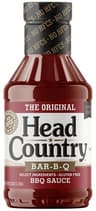
One honest gap: Head Country publishes no ingredient statement on its website at all. It states on its own FAQ that high fructose corn syrup was removed from every recipe, that its sauces are gluten free and free of allergens, and that the ingredients are “on the back of every bottle”. We print that rather than filling the gap with a list we have not read.
The five bottles side by side
| Sauce | Style | What leads the maker’s list | Declared allergens |
|---|
| Lillie’s Q ENC | Eastern North Carolina vinegar and pepper | Water, distilled vinegar, apple cider vinegar — cane sugar fifth | None declared; maker states gluten-free ingredients |
| Cattlemen’s Carolina Tangy Gold | South Carolina mustard | Distilled vinegar, sugar, water, mustard seed | Wheat and soybeans (from soy sauce) |
| Stubb’s Original | Thinner Texas-style tomato | Tomato puree and distilled vinegar — sugar third, no HFCS | None declared; maker states gluten free, non-GMO, kosher |
| Head Country Original | Oklahoma sweet-savory tomato | Not published online— maker states no HFCS | Maker states free of allergens and gluten free |
| Killer Hogs The BBQ Sauce | Sweet-and-tangy competition tomato | Brown sugar first; also HFCS and sugar further down | Anchovies (fish) via Worcestershire |
Sizes differ enough to change the real cost: Lillie’s Q is the smallest bottle at 13.6 oz, Stubb’s the largest at 36 oz on the listing we link, and Killer Hogs now ships only as a two-bottle pack. Prices move daily, so the button on each card is the figure that counts — we do not print a number in prose that could be stale by the time you read it.
How much sauce, and when to add it
Sauce goes in after shredding, not before, and less of it than you think. A sensible starting point is a quarter cup of thin vinegar sauce per pound of finished pork, tossed through and tasted, then more if it needs it. You cannot take sauce back out of a bowl.
Before the sauce, though, put the wrap juices back. When you pull the shoulder out of its foil or butcher paper, there will be a pool of rendered fat and pork liquor in the bottom. Pour it over the shredded meat and toss. That liquid is the best thing you will add to the bowl all day, it is free, and a surprising number of beginners throw it away. Our pulled pork guide walks through the whole cook, and our guide to resting smoked meat explains why that liquid exists at all.
The two-bottle habit is worth adopting early: one thin vinegar sauce for the bowl, and one thicker sweet sauce on the table for the people who want it. That way nobody’s sandwich is wrong, and you are not asking a single bottle to do two jobs it cannot do at once.
A food-safety rule that only applies if you mop
Most people never sauce a pork shoulder during the cook, and you do not need to. If you do decide to mop one, the rule is simple and it is USDA’s rather than ours: a brush or a bowl of sauce that has touched raw or undercooked pork cannot go back on the table as a condiment unless it has been boiled first. The easy version is to pour off a serving portion at the very start, before anything touches raw meat, and keep the two containers apart.
Pork is safe at 145°F with a three-minute rest per USDA, but pulled pork is not cooked to safe — it is cooked to tender, which happens far above that, once the collagen has broken down. Our smoke times and temperatures page has the figures for every cut, and the stall explains the long plateau in the middle of a shoulder cook that makes first-timers panic.
Sauces we deliberately did not pick
We left out the two biggest supermarket brands, for the same reason our general sauce roundup does: they are cheap on a shelf and poor value shipped, and if you are standing in a grocery store you do not need a website to find them.
We also left out white sauce — the mayonnaise-and-vinegar Alabama style — even though it is excellent on smoked chicken, because it is not a pulled pork sauce and we are not going to pretend otherwise to pad the list. And we have not featured a “finishing sauce” marketed specifically for pork, because the ones we looked at are vinegar, sugar and pepper sold at a premium for the label. Eastern North Carolina sauce is the finishing sauce, and the bottle at the top of this page is a good one.
If you have not bought the pork yet, the cut matters more than the bottle: how much meat per person will stop you under-buying a shoulder, which is a far more common mistake than choosing the wrong sauce. And if you are still choosing a cooker, our best smokers for pulled pork roundup starts from the one spec that matters for a long, forgiving cook.