Smoke & Slow

Best Wood for Beef Ribs

Beef ribs carry more fat than any other cut on this site and spend eight hours or more in the smoke. That combination needs a heavier wood than pork ribs do - and the form you buy it in matters as much as the species.

By Stephen V.Last updated How we pick

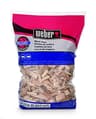
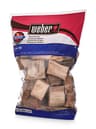
Buy Weber hickory chunks and run two or three of them. Beef ribs are the fattiest cut most people ever smoke, they wear a salt-and-pepper rub rather than a sweet one, and they take eight to ten hours — so the wood has to be heavy enough to still be there at the end. Hickory is the strong, classic barbecue smoke this cut was built for, and chunks are the right format because they smolder for an hour each instead of flashing off in fifteen minutes. The budget pick is the Weber hickory chips bag, the cheapest wood on this page: the same species in the format an electric or gas cabinet needs, where a chunk would simply sit there.

This is the opposite of the pork rib answer. A rack of pork spares is a four-to-six-hour cook on a sugar rub, which is why apple and cherry win there. A plate or chuck short rib is two inches of fat-laced beef that renders slowly at the top of USDA’s 225–300°F smoking band, and fruitwood alone gets lost in it. Beef wants hickory or oak, with fruitwood as the second wood rather than the first.

One honest limitation up front: post oak, the wood central Texas barbecue is built on, is not sold by anyone in this registry, and we are not going to recommend a bag we cannot link you to. The closest thing on this page is whiskey-barrel oak. Everything below is ranked on the species, the form and the weight each listing states — no flavor panels, no scores. Here is how we pick.

How this is funded:we earn a commission if you buy through our links, at no extra cost to you. It never changes which smoker we recommend, and we’ll tell you when we’d skip one. Full disclosure.

Quick picks

Ranked on published specs, beginner-friendliness and value. Select a row to jump to the full write-up. We haven’t cooked on every one of these — here is exactly what we do instead.

#ProductBest forPrice
1
Weber Hickory Wood Chunks (4 lb)

Weber Hickory Wood Chunks (4 lb)

The taste most people picture when they think 'barbecue.' Hickory is bold and bacon-like, superb on pork ribs and shoulder — but strong enough that a little goes a long way, so use fewer chunks than you think until you know your tolerance.

Best wood for beef ribs
$10.99 · View on Amazon

$13.9921% off

Price as of November 23, 2026. #ad How we’re funded

2
Weber Cherry Wood Chunks (4 lb)

Weber Cherry Wood Chunks (4 lb)

The pretty one. Cherry is mild and slightly sweet like apple, but it also deepens the bark to a rich mahogany color — which is why so many people blend it with hickory. A great second bag once you've started with apple.

Best second wood, for color
$10.98 · View on Amazon

$13.9922% off

Price as of November 23, 2026. #ad How we’re funded

3
Jack Daniel's Tennessee Whiskey Barrel Smoking Oak Wood Chips, 180 cu in (4 pack)

Jack Daniel's Tennessee Whiskey Barrel Smoking Oak Wood Chips, 180 cu in (4 pack)

Oak from used Tennessee whiskey barrels, and the one bag on this page that tastes of something you cannot get from a plain hardwood. Oak itself is medium-strength and well behaved; what the barrel adds is a faint sweetness most people notice on pork and beef. It is also, per bag, by far the most expensive wood here, which is why we rank it as a treat rather than a staple.

Closest thing here to Texas oak
$54.76 · View on Amazon

Price as of November 23, 2026. #ad How we’re funded

4
Western BBQ Smoking Wood Chips Variety Pack (4)

Western BBQ Smoking Wood Chips Variety Pack (4)

The best way to find out which wood you actually like. Four bags of chips — apple, cherry, hickory and mesquite — so you can taste the difference across a few cooks instead of committing to one flavor. Chips (not chunks) also make this the right pick for electric and gas smokers, which is what many beginners own.

Best for an electric or gas cabinet
$28.99 · View on Amazon

Price as of November 23, 2026. #ad How we’re funded

5
Weber Hickory Wood Smoking Chips (2 lb)

Weber Hickory Wood Smoking Chips (2 lb)

The second bag, not the first. Hickory is the flavor most people mean when they say barbecue, and in an electric cabinet — which makes less smoke than a stick burner — it reads as assertive rather than overpowering. Buy it once you have cooked a couple of times on apple and decided you want more.

Budget pick — cheapest bag here
$7.98 · View on Amazon

$8.9911% off

Price as of November 23, 2026. #ad How we’re funded

The picks in full

#1Best wood for beef ribs

Weber Hickory Wood Chunks (4 lb)

The taste most people picture when they think 'barbecue.' Hickory is bold and bacon-like, superb on pork ribs and shoulder — but strong enough that a little goes a long way, so use fewer chunks than you think until you know your tolerance.

What’s good

  • The quintessential smoky-BBQ flavor
  • Excellent on ribs, pulled pork and beef
  • Cheap and widely available

Trade-offs

  • Easy to overdo — go light at first
  • Can turn acrid on delicate foods like fish or chicken
WoodHickory (strong)
FormChunks
Weight4 lb
Best withPork ribs, pulled pork, beef

Specs read from the product listing, on July 22, 2026. “Not published” means the maker doesn’t state that figure there.

#2Best second wood, for color

Weber Cherry Wood Chunks (4 lb)

The pretty one. Cherry is mild and slightly sweet like apple, but it also deepens the bark to a rich mahogany color — which is why so many people blend it with hickory. A great second bag once you've started with apple.

What’s good

  • Mild, forgiving smoke like apple
  • Gives ribs and poultry a beautiful dark color
  • Blends well with a stronger wood like hickory

Trade-offs

  • Mild flavor alone can be subtle on beef
  • Chunks are for charcoal, not electric smokers
WoodCherry (mild fruit wood)
FormChunks
Weight4 lb
Best withPoultry, ribs, color on bark

Specs read from the product listing, on July 22, 2026. “Not published” means the maker doesn’t state that figure there.

#3Closest thing here to Texas oak

Jack Daniel's Tennessee Whiskey Barrel Smoking Oak Wood Chips, 180 cu in (4 pack)

Oak from used Tennessee whiskey barrels, and the one bag on this page that tastes of something you cannot get from a plain hardwood. Oak itself is medium-strength and well behaved; what the barrel adds is a faint sweetness most people notice on pork and beef. It is also, per bag, by far the most expensive wood here, which is why we rank it as a treat rather than a staple.

What’s good

  • Genuinely distinct — charred barrel oak, not a flavoring sprayed on
  • Oak is medium-strength, so it suits beef and pork without dominating
  • Listing names charcoal, gas and electric cookers explicitly

Trade-offs

  • The most expensive chips on this page per bag, and not by a little
  • Four bags is a lot to commit to a flavor you have not tried
  • No chip size, moisture content or alcohol statement published
WoodOak, from used whiskey barrels (listing)
FormChips
Pack4 bags, 180 cu in each (listing)
Cookers namedCharcoal, gas and electric (listing)
Chip sizeNot published

Specs read from the product listing, on October 19, 2026. “Not published” means the maker doesn’t state that figure there.

#4Best for an electric or gas cabinet

Western BBQ Smoking Wood Chips Variety Pack (4)

The best way to find out which wood you actually like. Four bags of chips — apple, cherry, hickory and mesquite — so you can taste the difference across a few cooks instead of committing to one flavor. Chips (not chunks) also make this the right pick for electric and gas smokers, which is what many beginners own.

What’s good

  • Four woods to compare — the fastest way to learn your taste
  • Chips are the correct format for electric and gas smokers
  • Covers mild (apple/cherry) through bold (hickory/mesquite)

Trade-offs

  • Chips burn faster than chunks — you refill more often
  • Mesquite is very strong; use it sparingly at first
WoodsApple, cherry, hickory, mesquite
FormChips (4 bags)
Best withElectric / gas smokers, experimenting
NoteUse mesquite lightly

Specs read from the product listing, on July 22, 2026. “Not published” means the maker doesn’t state that figure there.

#5Budget pick — cheapest bag here

Weber Hickory Wood Smoking Chips (2 lb)

The second bag, not the first. Hickory is the flavor most people mean when they say barbecue, and in an electric cabinet — which makes less smoke than a stick burner — it reads as assertive rather than overpowering. Buy it once you have cooked a couple of times on apple and decided you want more.

What’s good

  • The classic American barbecue flavor, in the correct format for a chip tray
  • Strong enough to come through in a cabinet smoker's lighter smoke
  • Same small bag as the apple, so trying it costs very little

Trade-offs

  • Easy to overdo on poultry and fish — go light at first
  • The listing publishes no chip size and no moisture content
  • Does not name electric smokers specifically, unlike the Western bags
WoodHickory (strong hardwood)
FormChips
Pack2 lb (listing)
Chip sizeNot published
Best withPork, beef, ribs

Specs read from the product listing, on October 19, 2026. “Not published” means the maker doesn’t state that figure there.

Why beef ribs need more wood than pork ribs

Three differences do all the work, and none of them is about taste preference.

  1. The cook is twice as long. Plate ribs are usually eight to ten hours at 250–275°F before the meat gives up; a rack of pork spares is done in five or six. Wood smoke does not accumulate forever — most of the flavor lands in the first few hours, while the surface is still wet — but a cut that cooks for ten hours gives a mild wood an awful lot of time to be forgotten, and gives a strong wood time to mellow.
  2. The rub is savory, not sweet. Beef ribs are traditionally dressed in coarse salt and black pepper, sometimes with garlic. There is no brown sugar on the surface for a sweet fruitwood smoke to sit alongside, which is exactly the pairing that makes cherry work on pork. Our brisket rub page covers the same salt-and-pepper logic in detail, and it applies here.
  3. Fat carries smoke. A beef rib is laced with intramuscular fat that renders through the cook, and rendering fat picks up and holds smoke compounds. The cut can absorb a heavier wood than a lean one can — which is why hickory on a turkey breast is a mistake and hickory on a beef rib is the answer.

Chunks, chips, or neither

The species argument gets all the attention and the format decides whether any of it happens. Match the form to the cooker:

  • Chunks— fist-sized pieces for a live charcoal fire: a bullet, a drum, a kettle, a kamado or an offset. Each chunk smolders for something like an hour, so two or three of them cover the window where the meat is actually taking on smoke. This is the format for beef ribs on charcoal.
  • Chips— thin shavings for an electric or propane cabinet, where there is no fire to feed and a tray or a loader burns them off in roughly 45 minutes to an hour. Chips in a charcoal fire are a waste; chunks in a chip tray never ignite. Our chips versus chunks guide is the long version.
  • Pellets— if you own a pellet grill, your wood decision is a bag of pellets, not a bag of chunks. See best wood pellets, and run the hickory bag for this cut.

The five side by side

WoodSpecies (listing)FormPack size (listing)Role on a beef rib
Weber hickory chunksHickoryChunks4 lbThe main wood. Two or three chunks per cook
Weber cherry chunksCherryChunks4 lbOne chunk alongside the hickory, for color
Jack Daniel’s barrel chipsOak, from used whiskey barrelsChips4 bags, 180 cu in eachOak character in a cooker that burns chips; listing names charcoal, gas and electric
Western variety packApple, cherry, hickory, mesquiteChips (4 bags)Not published per bagHickory bag for the cook, mesquite used sparingly or not at all
Weber hickory chipsHickoryChips2 lbCheapest route to the right species

Two specs are missing from that table on purpose. Nobody on this shelf publishes a chip size, and nobody publishes a moisture content — the two figures that would actually predict how a bag behaves in a tray. Where a maker is silent we print “Not published” rather than a guess.

Every bag above carried a live Amazon price when we last read the feed, as of November 23, 2026. Wood is cheap and the prices move, so the button on each card is the number that counts.

How much wood, and when to stop adding it

For an eight-hour beef rib cook on charcoal: two or three chunks, added over the first three hours, and nothing after that. The meat takes on most of its smoke while the surface is still damp; once a dry bark has set, extra wood mostly adds soot. In an electric or propane cabinet, the equivalent is a chip load every 45 to 60 minutes for the first three to four hours and then nothing — which we cover in how often to add wood chips.

Keep the fire clean while you do it. Wood that smolders without enough air gives you the thick white smoke that tastes acrid, not the thin blue smoke you want. If the smoke looks like a chimney fire, open a vent rather than adding another chunk.

What we would buy, by cooker

  • Charcoal bullet, drum, kettle or kamado. Weber hickory chunks, plus one cherry chunk if you care about the color of the bark.
  • Electric or propane cabinet. Weber hickory chips as the budget answer, or the Western variety pack if you want to try four species and keep mesquite for a short cook.
  • You want the Texas oak profile. The Jack Daniel’s barrel chips are the only oak in this registry. Post oak is not sold here by anyone, and we will say so rather than substitute a species and call it the same thing.
  • Pellet grill. None of these. Run a pellet blend— the hickory bag for beef, the fruitwood blend for pork.

Then put it under the right cooker. Beef ribs are tall, heavy and long, which rules out several cookers a pork rack fits in happily — our best smokers for beef ribs page sorts that out, and how to smoke beef ribs has the temperatures, the trim and the probe-tender test.
Frequently asked questions

What is the best wood for beef ribs?

Hickory, in chunk form if you cook on charcoal. Beef ribs are fatty, savory-rubbed and take eight to ten hours, so they need a heavier wood than pork ribs do; hickory is the strong classic barbecue smoke that suits them, and a chunk smolders for about an hour rather than flashing off in minutes. Oak is the other traditional answer, and cherry works well as a second wood for color.

Can I use apple or cherry wood on beef ribs?

As a second wood, yes - one cherry chunk alongside hickory deepens the color of the bark. On its own, a mild fruitwood tends to get lost on a cut this fatty over a cook this long. Save the all-fruitwood approach for pork ribs and poultry.

Is mesquite good for beef ribs?

Sparingly. Mesquite burns hot and fast and is the most assertive wood in common use, which is why it suits a quick-grilled steak more than a ten-hour smoke. If you want to try it, use one small piece among hickory rather than a whole load - the Western variety pack is a cheap way to experiment without buying a bag you regret.

How many wood chunks do beef ribs need?

Two or three chunks across the first three hours of the cook, then nothing. Meat takes on most of its smoke while the surface is still damp, so wood added after the bark has set contributes soot more than flavor. In an electric or propane cabinet, use a chip load every 45 to 60 minutes for the first three to four hours instead.

Should I soak wood chunks before using them?

No. Soaked wood does not smoke for longer - it spends the first several minutes boiling off water, which produces steam and the thick white smoke that tastes acrid. Add dry wood to a fire with enough air to burn it cleanly.

Where can I buy post oak for beef ribs?

Not from anyone in our product registry, which is why no post oak bag appears on this page. The closest species we can actually link you to is the oak in Jack Daniel's whiskey-barrel chips. If post oak matters to you, a local firewood supplier or a Texas barbecue retailer is the realistic route, and we would rather say that than substitute another species and call it the same thing.

Sources

  • USDA FSIS — Smoking Meat and Poultry — USDA guidance to keep the smoker between 225°F and 300°F, use two thermometers (food + smoker), and refrigerate within 2 hours (accessed July 22, 2026)
  • USDA FSIS — Doneness Versus Safety — USDA on the difference between a safe internal temperature and the higher 'done/tender' temperature cooks pull tough cuts to (accessed July 22, 2026)
  • USDA ARS — Table of Cooking Yields for Meat and Poultry (Release 2) — USDA Agricultural Research Service measurements of how much weight cuts of meat and poultry lose to moisture and fat during cooking, under defined laboratory protocols. Figures quoted on our page, read from the Release 2 data table downloadable here: beef brisket flat half trimmed to 1/8 inch fat, braised — 69% cooking yield (n=20, range 65-76%); pork shoulder arm picnic, braised — 74% (n=12, range 70-78%); pork spareribs, baked or roasted — 76% (n=12, range 68-79%); pork loin back ribs bone-in, baked or roasted — 82% (n=12, range 74-90%); turkey from whole, non-enhanced, dark meat with skin, roasted — 69%; turkey breast retail part, non-enhanced, with skin, roasted — 72%. These are cooking losses only, measured on the cut as prepared for the protocol — they are NOT barbecue yields and do not account for trimming or bone (accessed September 18, 2026)

Keep reading